Northern Colorado Real Estate and Community News

Oct. 1, 2026

Living Near the Major Hospitals in Greeley, CO: A Housing Guide

Healthcare is a major factor when weighing the pros and cons of living in Greeley, CO. The city runs on two main hospital networks. Banner Health and UCHealth both operate large campuses here, covering emergency, specialty, and rehabilitation care for Weld County residents.

If you're a medical professional relocating to the area - or just a buyer who wants to be close to care - the housing market around these campuses offers real choices. The median home sale price in Greeley currently sits at $424,669, and available homes spend an average of 55 days on the market before selling.

Major Healthcare Systems in Greeley

The city's medical infrastructure centers on three main facilities: Banner North Colorado Medical Center, UCHealth Greeley Hospital, and PAM Health Rehabilitation Hospital. They don't cluster together - these campuses sit in different sections of the city, which matters when you're deciding where to buy.

Banner North Colorado Medical Center is at 1801 16th Street, in the central part of the city. It runs over 200 beds and partners with MD Anderson Cancer Center for advanced trauma, surgery, and cancer care.

UCHealth Greeley Hospital is further west at 6767 29th Street. Opened in 2019, this 88-bed acute-care campus handles emergency, specialty, and family medicine for a broad regional draw.

Primary Hospital Networks

These two campuses serve slightly different geographic zones within Weld County. Banner's central location drops it into the middle of established urban infrastructure. UCHealth's western position makes it easier to reach from surrounding towns - Windsor, Johnstown, and Severance all pull toward that corridor.

Which campus you're commuting to matters more than you might expect. The distance between the two is several miles, and crossing the city means dealing with daily traffic on the major thoroughfares. It's not an abstract concern - pick the wrong side of town to buy and you'll feel it every shift.

Rehabilitation and Outpatient Care

PAM Health Rehabilitation Hospital of Greeley operates at 6810 W. 10th Street, focused entirely on inpatient and outpatient rehabilitation services.

Its west-side location puts it close to the UCHealth campus. Between these three facilities, healthcare workers in Greeley have multiple potential employment hubs spread across different parts of the city - something worth keeping in mind if you're early in your career and not sure which employer you'll land with long-term.

Real Estate Options Near the Medical Districts

There are about 457 active listings in Greeley right now. The current median sale price is roughly $425,000, and the city is sitting on about four months of housing supply.

Greeley doesn't have high-rise condo buildings, so the inventory is mostly single-family houses and low-rise multifamily complexes. Homes are selling at about 99% of list price, with roughly 24% going above asking. That's not a frenzy, but a well-priced property near either major campus doesn't sit long.

Housing Styles Near Each Campus

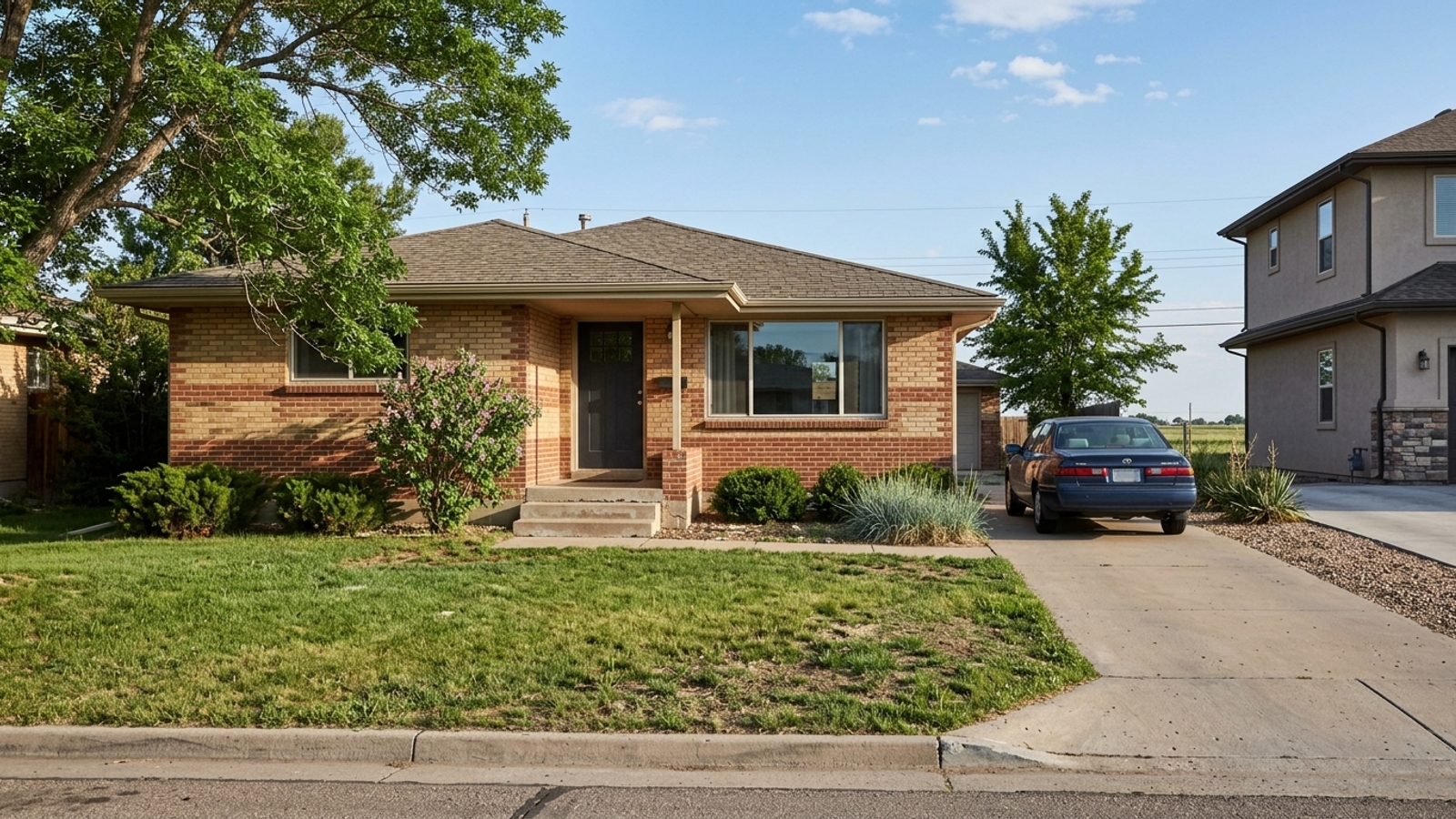
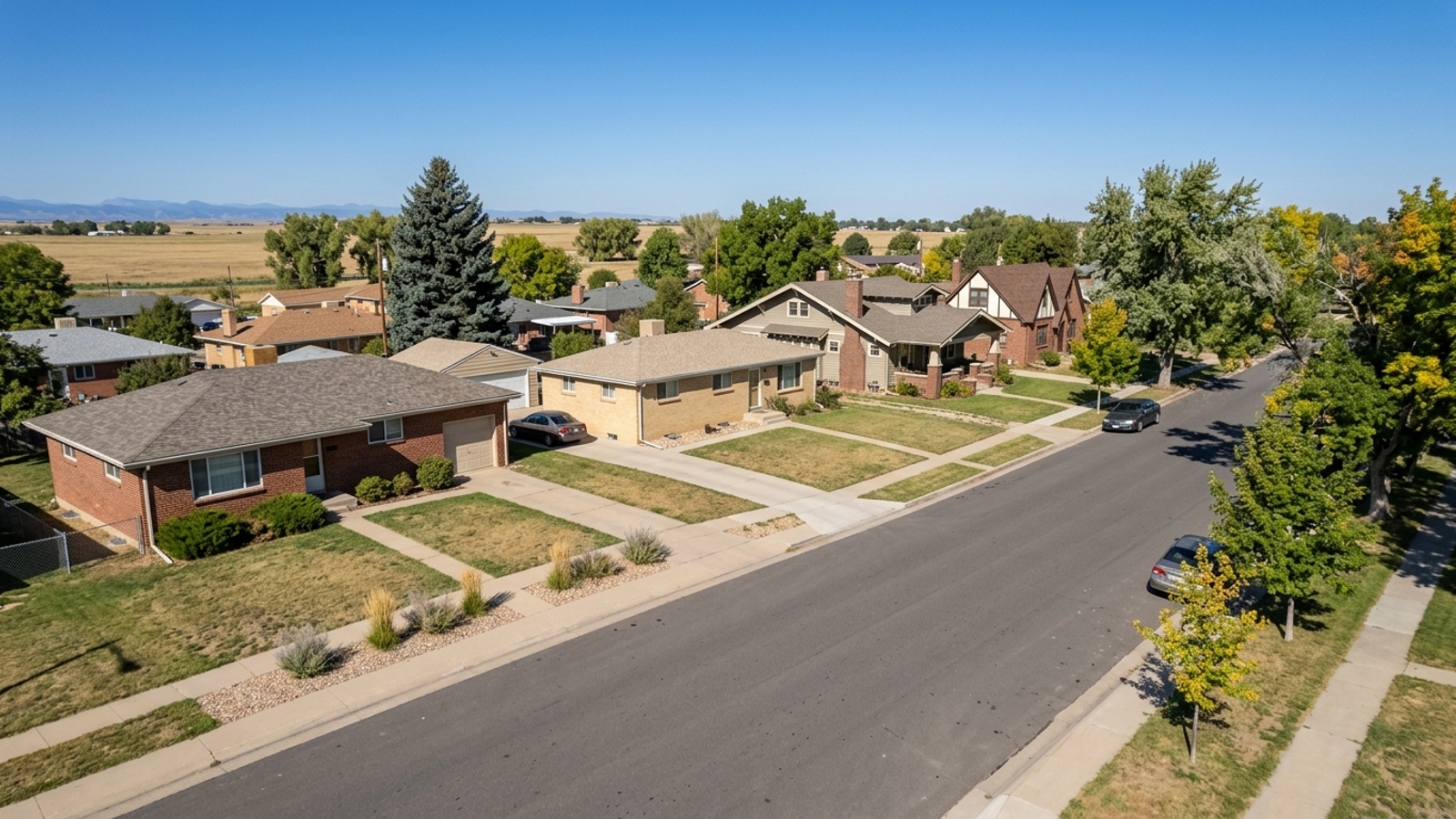
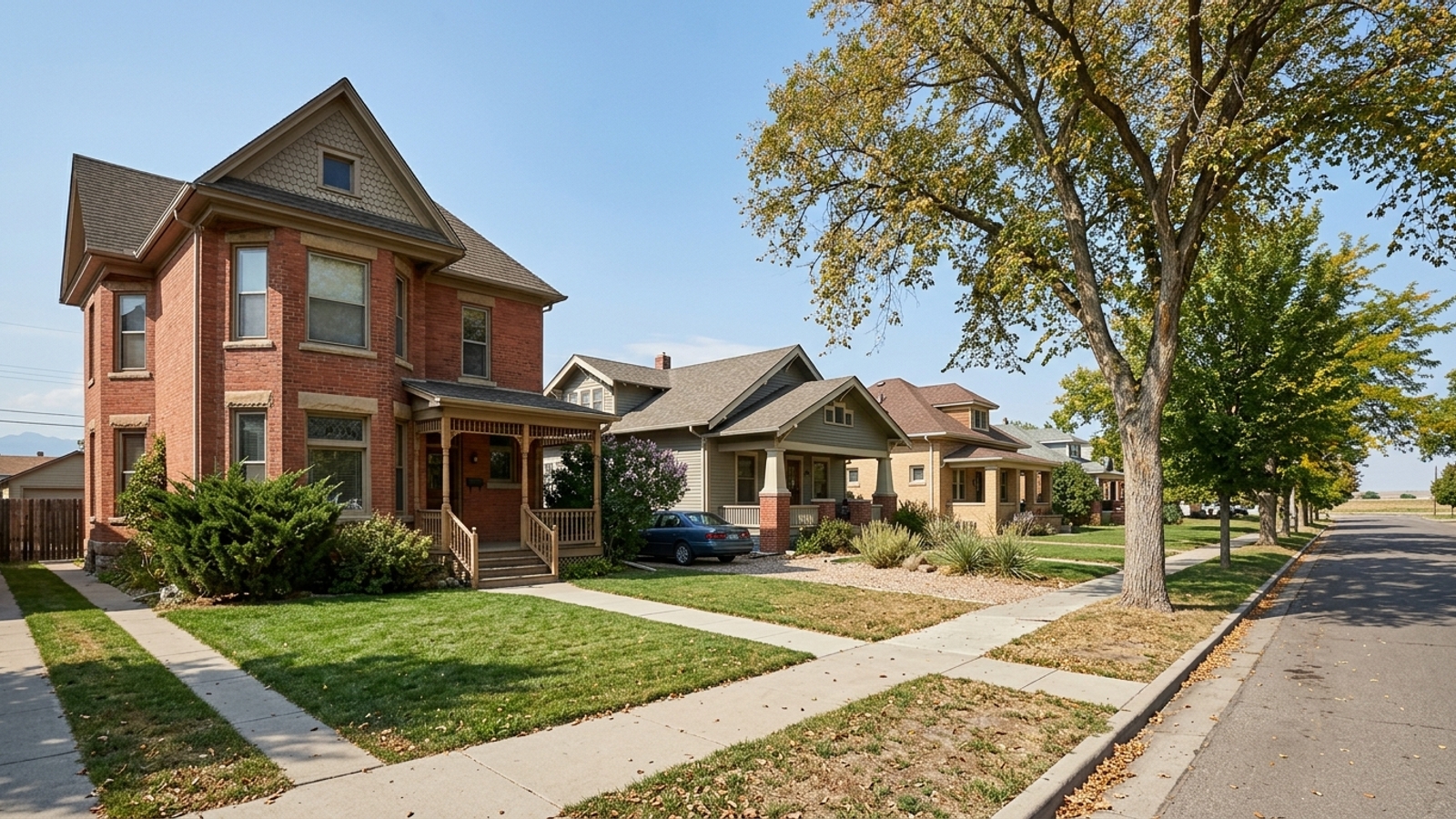
The area around Banner North Colorado Medical Center - central and north Greeley - is older and more established. The Downtown and East Greeley districts have historic bungalows and Victorian homes from the early 1900s. The nearby Maplewood subdivision runs more toward mid-century modern brick ranch homes built in the 1950s.

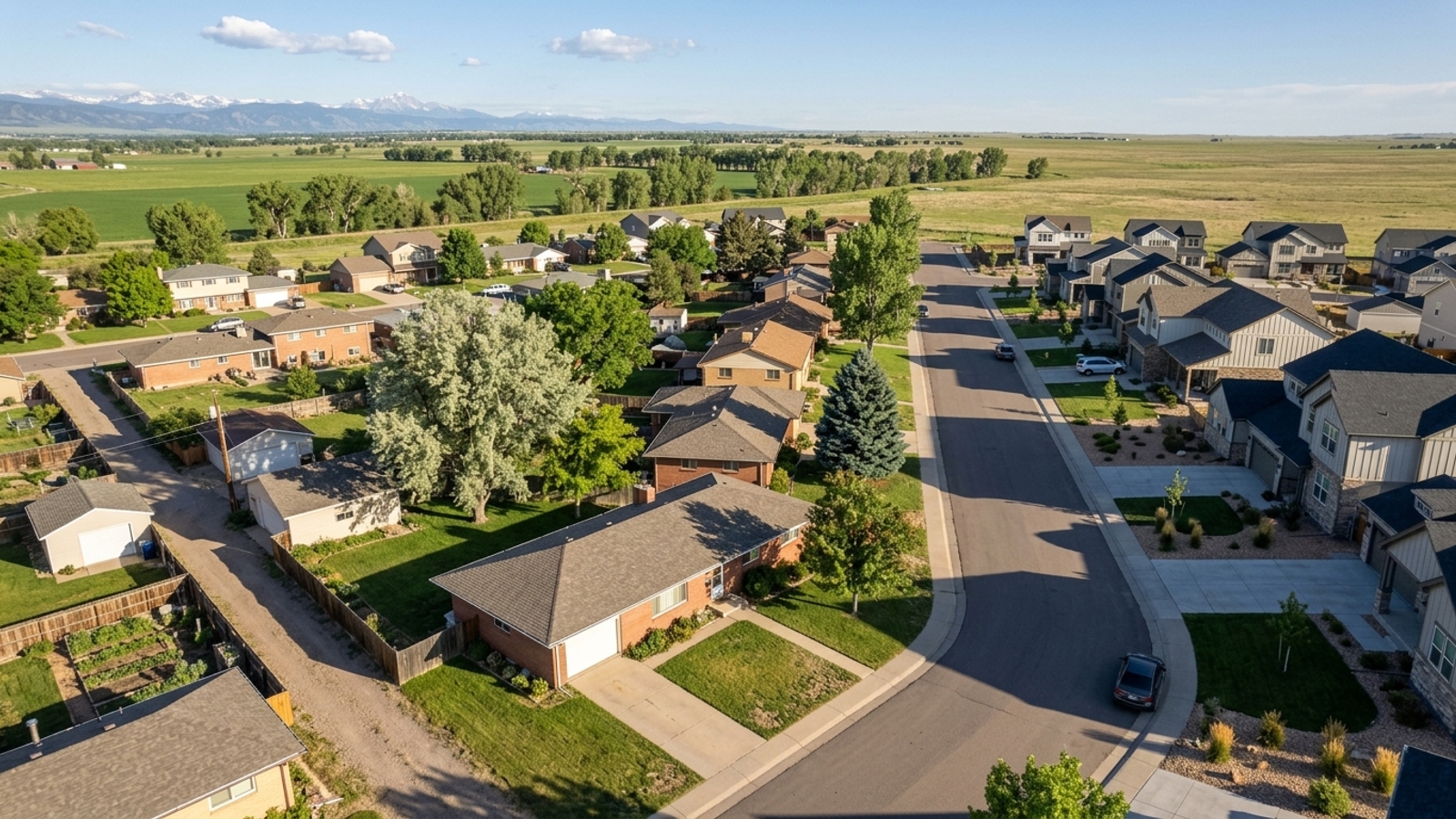
West Greeley, out around UCHealth Greeley Hospital, is a different world architecturally. You're looking at newer construction - low-rise apartment communities like Alpine Flats and Creekstone Apartments, modern townhomes, and single-family ranch layouts in recent subdivisions. The price point reflects that: recent sales data puts the median in this newer western sector around $471,000.

Commuting and Traffic Flow

The city's transportation network leans on US 34, US 85, and Colorado SH 257 as its main corridors. The City of Greeley runs about 116 traffic signals continuously to manage daily vehicle flow.

Along 10th Street, US 34, and the US 85 Business route (8th Avenue), the city uses adaptive signal technology that adjusts timing based on real-time congestion. In practical terms, that means steadier movement toward both Banner in the center and UCHealth in the west - though "steadier" is relative at peak hours.

Moving to Greeley for a Healthcare Career

Healthcare workers relocating to Weld County tend to zero in on homes within a short drive of either 16th Street or 29th Street. The inventory supports both targets, though the property styles are genuinely different depending on which side of town you choose.

Travel nurses and medical residents usually want low-maintenance properties with predictable commute times. The low-rise apartments and townhomes in West Greeley check both boxes - straightforward access to UCHealth and the US 34 corridor without a lot of upkeep.

Staff at Banner North Colorado Medical Center often look east toward the historic districts. Single-family homes and condos in that central area typically price between $275,000 and $425,000, which is a lower entry point than the newer western developments.

Finding Proximity to Work

Your campus determines which roads you'll live on, in terms of daily use. The US 34 corridor connects West Greeley directly to I-25, which is worth thinking about if you might also pull shifts at regional clinics.

For the central Banner campus, you'll rely more on the US 85 Business corridor along 8th Avenue. Drive it during your expected shift change before you make any decisions - the adaptive traffic signals do help, but you want to know what you're walking into.

Working Through the Local Housing Market

About 349 homes have sold recently in the area. There's a steady stream of options, but properties priced near the city's median draw consistent attention from other buyers.

Figure out your campus first, then start the search. It sounds obvious, but buyers who don't anchor to a specific side of town early end up wasting time touring homes that are technically in Greeley but would add 20 minutes to every commute.

Frequently Asked Questions

What are the major hospitals and medical centers in Greeley?

The primary facilities are Banner North Colorado Medical Center at 1801 16th Street, UCHealth Greeley Hospital at 6767 29th Street, and PAM Health Rehabilitation Hospital at 6810 W. 10th Street. Banner focuses on trauma and cancer care; UCHealth handles emergency and specialty medicine.

What types of homes are available near Greeley hospitals?

Near the central Banner campus, you'll find historic bungalows, Victorian homes, and mid-century brick ranch houses. Out near the western UCHealth campus, the inventory runs to newer single-family ranch homes, modern townhomes, and low-rise apartments.

How is the commute to the main medical districts in Greeley?

The main corridors are US 34, US 85, and 10th Street. The city uses adaptive traffic signals on these routes to adjust timing based on congestion, which helps maintain steady flow to the medical districts.

Are housing prices higher in Greeley neighborhoods close to the hospitals?

It depends on which hospital you're targeting. Homes near the central Banner campus generally range from $275,000 to $425,000. The newer homes near the western UCHealth campus carry a higher median sale price - around $471,000.

Are there specific homebuyer assistance programs for healthcare workers relocating to Greeley, CO?

No specific programs for healthcare workers turned up in the local data. Your best move is to talk with a local lender about standard state or municipal loan programs available to all residents.

How do neighborhoods near North Colorado Medical Center compare to those around UCHealth Greeley Hospital?

The central neighborhoods around North Colorado Medical Center are older and established - think 1950s brick ranches and early 1900s bungalows. The neighborhoods around UCHealth are much newer, with recent subdivision builds and low-rise apartment complexes.

What should I know about ambulance noise and traffic before buying near a Greeley hospital?

Both hospitals run 24-hour emergency departments, which means regular ambulance traffic on the major access routes. Expect emergency vehicle noise along US 34, 10th Street, and 8th Avenue - the same corridors where the city uses adaptive signals to manage flow.
Posted in Community News
Oct. 1, 2026

Utilities in Greeley, CO: City Water vs. Well Water Options

The median home sale price in Greeley, CO sits around $425,000, and homes are spending roughly 55 days on the market right now. As buyers weigh the pros and cons of living in Greeley, CO and start narrowing down their options, the type of infrastructure serving a property comes up more often than you'd expect - and in Weld County, the biggest split is between municipal water and a private well.

Both systems work. Both have real costs attached to them. But they work very differently, and what you're comfortable managing long-term should factor into which properties you're willing to write an offer on.

A Quick Look at City Water vs. Well Water in Greeley

City water is managed, treated, and piped to your home by the municipality. You pay a monthly bill based on usage, and the city handles all the maintenance, testing, and infrastructure. Simple enough.

A private well is a different animal. You're pumping groundwater directly from your property into your plumbing, so there's no monthly water bill for the water itself - but you're entirely responsible for the electricity to run the pump, keeping the equipment maintained, and making sure the water is safe to drink.

Comparing the Two Systems

Municipal water gives you consistency and convenience. Treatment facilities are legally required to hit federal standards, and you can verify that they do. The cost is a predictable recurring line item, though it rises with usage.

Private wells give you independence from municipal rates and tiered pricing. What you trade for that is the full financial exposure if something breaks. A failing pump is your problem, not the city's. Water quality monitoring is your responsibility too - nobody else is checking.

Understanding City Water and Private Wells

The City of Greeley Water and Sewer Department provides municipal water to most homes within city limits. Water is drawn from regional sources, treated at a central facility, and pushed through an extensive underground pipe network before it ever reaches your tap.

One phrase that trips buyers up occasionally is "city water well." Municipalities sometimes use large, deep community wells to supplement their main water supply. As a homeowner on city water, that's irrelevant to your daily life - you're simply receiving treated water through the municipal lines like everyone else on the grid.

Common Well Types

Residential wells generally fall into categories: dug, driven, bored, or drilled. Drilled wells are the most common for modern homes - they reach deep underground to tap reliable aquifers and are less susceptible to surface contamination than shallower alternatives.

The depth and construction of a well determine its yield and its vulnerability. A professional inspection will tell you exactly what type of well is on the property and how deep it goes.

How to Tell Which System You Have

If you're getting a monthly water bill from the City of Greeley Water and Sewer Department, you're on city water. That's the easy check.

If there's no water bill and you spot a wellhead in the yard - a capped pipe sticking up from the ground - the property is on a private well. You'll likely also find a pressure tank in the basement or utility room. Once you know what you're looking at, the rest of the due diligence follows from there.

What Water Costs in Greeley

Monthly rates and long-term upkeep look very different depending on which system you're on, so it's worth understanding both before you budget.

Greeley uses a tiered, water-budget-based rate structure for single-family residential customers, meaning the price per gallon goes up as your usage climbs. That structure shapes the math on city water in ways that aren't always obvious at first glance.

Typical Municipal Water Bills

For a Greeley resident using about 5,000 gallons a month, the estimated average residential water bill comes out to roughly $51.90 - a $21.00 monthly base charge plus about $6.18 per 1,000 gallons used.

That's just the water portion. City-wide budget materials from 2026 show that a typical combined water, sewer, and stormwater bill runs between $140 and $152 per month for residential customers. That's the number to plug into your monthly carrying cost estimate.

Well Ownership and Maintenance Costs

Well owners skip the monthly volumetric charges, but maintenance is a real budget line. National and Colorado data puts annual well maintenance costs between $200 and $900, with routine upkeep averaging roughly $450 per year.

Beyond that, you need a reserve for bigger repairs. Replacing a well pump runs anywhere from $1,500 to $4,000. A professional well inspection - something you should get before closing on a property with a well - typically costs $250 to $550.

Are Well Water and Septic Billed Separately?

Properties with private wells often have private septic systems instead of municipal sewer connections, so you're not paying a monthly utility bill for either one. What you do pay for is the electricity to run the well pump and the periodic cost of having the septic tank pumped.

If the property has a well but is connected to the city sewer, you'll receive a municipal bill - just for the sewer service, not for the water itself.

Water Quality and Health Standards

Both systems can deliver safe drinking water. The key difference is who's responsible for making sure that's true.

Municipalities are legally required to test constantly and publish the results. Well owners are their own water utility - the testing, the treatment decisions, all of it falls on them.

Is Greeley City Water Safe to Drink?

The city's 2026 Consumer Confidence Report states that Greeley's drinking water meets all state and federal drinking water standards. The water is sourced from Rocky Mountain snowmelt and treated at municipal facilities. The City of Greeley Water and Sewer Department runs daily, weekly, and monthly testing and monitors the supply for PFAS and potential cross-connections.

Testing and Treating Well Water

Well water comes straight from the ground. It is not treated before it enters your plumbing. Homeowners should test annually for bacteria, nitrates, and any contaminants that are relevant to the local geology.

Depending on what the test shows, you may need treatment equipment. Common solutions are water softeners for hard water, reverse osmosis systems under the kitchen sink, or whole-house filtration. What you install depends on what's in your water - which is why you test first.

Benefits and Drawbacks of Well Water

A private well changes how you interact with your home in ways that aren't always obvious until you've lived with one. Some of it's genuinely appealing. Some of it is real work.

Buyers who come from city water sometimes underestimate the responsibility side of the equation, so it's worth laying both out clearly.

The Downsides of Well Water

The electricity dependency is the one that catches people off guard. If the power goes out, the pump stops, and you lose water pressure - full stop, unless you have a backup generator.

You also carry the full financial risk of equipment failure. If the pump breaks or the well runs dry, that repair bill is yours. There's no utility company absorbing the cost.

The Perks of a Private Well

No monthly water bill. You can water the lawn, fill a pool, wash vehicles - none of it triggers a higher billing tier. For properties with significant outdoor water needs, that math adds up quickly.

A lot of people also prefer the taste. Well water doesn't contain the chlorine or chloramines used in municipal treatment. And because you're managing the system yourself, you have full control over how the water is filtered and treated.

Switching Between Well and City Water

If a homeowner on a private well wants to connect to the municipal system, it's possible - but only if city water lines run near the property boundary. You can't will the infrastructure closer if it isn't there.

The process means coordinating with the local utility and hiring contractors to physically connect your plumbing to the city line. It's not a quick Saturday project.

Connecting to Municipal Water

Start by contacting the City of Greeley Water and Sewer Department to confirm municipal service is available at the address. If the infrastructure is in place, you'll pay a tap fee to connect.

From there, you'll need a plumber to run a new water line from the street to the house and properly disconnect the well from your interior plumbing. The old well can sometimes be kept for exterior irrigation only, but local regulations govern exactly how the two systems must be separated to prevent well water from backflowing into the municipal supply. That's not a detail to improvise on.

Buying a Home with Well Water in Greeley

A property with a private well needs a few extra steps during your due diligence period, and standard home inspections don't typically cover the well pump or water quality. Plan for that gap before you schedule inspections, not after.

Hire a specialized contractor to evaluate the system before closing. You don't want to find out the pump is failing after you've handed over the keys.

What to Ask About the Property's Water

Ask the seller for the well log - that document shows when the well was drilled, its depth, and its historical yield. Ask for records of any recent maintenance or pump replacements too.

Request the results of the most recent water quality test. If the seller doesn't have one or it's been a while, order a full water test during your inspection window. That's standard practice, and any seller who pushes back on it is telling you something.

Frequently Asked Questions

Is it better to have a well or be on city water in Greeley?

It depends on your priorities. City water offers convenience and strict municipal testing, while a well eliminates monthly water bills and tiered usage rates.

Is it cheaper to use well water or city water in Greeley?

Well water is generally cheaper month-to-month since you don't pay a volumetric rate of $6.18 per 1,000 gallons. That said, well owners should budget roughly $450 annually for routine upkeep and keep a reserve for eventual pump replacements.

Is Greeley city water safer to drink than local residential well water?

Greeley city water is treated and tested daily to meet all state and federal standards, including monitoring for PFAS. Residential well water is completely untreated and untested unless the homeowner proactively manages it - so safety depends entirely on the specific well and any installed filtration systems.

How much does it cost to switch from well to city water in Greeley?

The total cost varies widely based on the distance from the house to the municipal line. You'll pay a tap fee to the City of Greeley Water and Sewer Department, plus private plumbing costs to run the line and disconnect the well.

Can you have both well water and city water on the same property in Greeley?

Yes. Some properties use city water for interior drinking and plumbing while keeping an existing well active for exterior lawn irrigation. The systems must be completely separated to prevent well water from backflowing into the municipal supply.

What should I look out for when buying a house with well water in Greeley?

Order a professional well inspection - typically $250 to $550 - to check the pump's condition. Test the water quality and review the well log for depth and yield history before you close.

Posted in Community News
Oct. 1, 2026

Understanding Weather Patterns in Greeley, CO: A Year-Round Guide

Greeley, CO sits at an elevation of 4,676 feet along the Front Range, and the weather here shapes daily life in ways that buyers moving from out of state don't always anticipate. When evaluating the pros and cons of living in Greeley, CO, the local climate is a major factor. Before you commit to a property, it's worth knowing what the skies are going to throw at you.

The area runs through four distinct seasons - dry air, plenty of sun, and occasional severe storms included. Getting familiar with the monthly averages and seasonal shifts before you move makes the transition a lot smoother.

Greeley, CO Climate and Weather at a Glance

Greeley falls under the BSk climate zone, officially classified as a Cold Semi-Arid or mid-latitude steppe climate. That label matters because it tells you two things: you'll get a lot of sunshine, and you won't get much rain. Compared to coastal or southern states, the precipitation totals here are modest.

At nearly a mile above sea level, the elevation drives some noticeable temperature swings. The sun goes down, and the air cools fast - even in July. That dry, high-altitude environment influences everything from how locals landscape their yards to how homes are insulated.

Season by Season in Northern Colorado

Weld County runs the full range - hot, dry summer afternoons and genuinely cold winter mornings, with spring and fall that can flip conditions on you in the space of a week. It's not subtle.

Winterizing sprinkler systems and checking roof shingles before storm season aren't optional extras here. They're just part of owning a home.

Spring and Summer

March starts the climb, with average highs around 55°F, rising to somewhere between 69°F and 75°F by May. Summer - June through August - is when the Front Range earns its heat. Highs run from 85.8°F to 91.7°F, though the overnight lows stay reasonable, dropping to between 53.6°F and 59.4°F. You'll sleep fine.

Fall and Winter

Fall opens warm and then cools fast. By November, highs are running between 53°F and 68°F. December through February is full winter: average highs of 40°F to 48°F, and overnight lows that typically settle in the 12°F to 20°F range. Dress accordingly.

Monthly Temperature Averages

The National Oceanic and Atmospheric Administration (NOAA) tracks normal temperatures for this region using historical data, and the numbers trace a clear arc from freezing winter lows to hot summer peaks. If you're planning home tours in July, dress for heat. If you're coming in January, bring a real coat - not a city coat.

The temperature range also tells you something practical about the home you're buying: it needs HVAC that can handle both ends of that curve.

Hottest and Coldest Months

July is the hottest month, with an average high around 91.7°F. January is the coldest, with an average low of about 17.5°F - though December is right behind it at 17.8°F.

Monthly Highs and Lows

January and February stay chilly, with average highs of 44.1°F and 47.7°F respectively. Spring warms up steadily from there: 59.1°F in March, 66.0°F in April, 74.7°F in May. Then summer arrives quickly - 85.8°F in June, 91.7°F in July, 89.2°F in August.

The back half of the year reverses the climb. September averages a high of 81.9°F, October pulls back to 67.8°F, November drops to 53.6°F, and December closes out at 43.4°F. It's a clean seasonal curve, and once you've lived through it once, you'll know exactly how to plan around it.

Rain, Snow, and Humidity Levels

Greeley's moisture picture looks nothing like the national average. The semi-arid classification means less rain, lower humidity, and a drier feel for most of the year. That said, winter storms do arrive and deliver real snowpack.

Annual precipitation runs roughly 14.7 to 15.3 inches - considerably less than the U.S. average of about 38 inches. It's one of the reasons drought-tolerant landscaping is so common here. It's not just an aesthetic choice; it's a practical one.

Annual Snowfall

Greeley averages about 34.9 to 41 inches of snow per year, which is above the national average of 28 inches. Don't let the dry climate fool you into skipping snow removal equipment. And when spring arrives, make sure your driveway has proper drainage for the melt.

Humidity Trends

Humidity stays relatively low across the calendar, peaking in the colder months. January and December can see levels up to about 64%. By summer, the air dries out noticeably - August humidity runs around 44% to 53%. If you're coming from somewhere muggy, the summer here will feel like a different planet.

Severe Weather and Natural Hazards

Front Range weather isn't just sunshine and dry air. The collision between mountain air and plains moisture generates serious storm systems, and Greeley gets its share of them.

Spring and summer thunderstorms here can bring very large hail - the area has recorded thousands of hail events since 2015, with some hailstones measuring up to 4 inches in diameter. Tornadoes also occur occasionally, which is why basements and storm shelters aren't just nice features in local homes - they're genuinely useful ones. Review your homeowner's insurance before you close, and make sure wind and storm damage coverage is adequate.

Wildfires and high winds add another layer. The region periodically issues Red Flag warnings when strong chinook winds combine with low humidity, conditions where fires can spread fast. It's not something most buyers from out of state think to ask about, but it's worth knowing.

Moving to Greeley: Housing Market and Timing

The climate here shapes the pace of the market too. Spring and early summer pull out the most buyers, and winter tends to be quieter in terms of active listings. But homes move year-round in Weld County - there's no dead season.

The median sale price in Greeley, CO is currently approximately $425,000, with homes spending roughly 55 days on the market before selling. About four months of supply and around 457 active listings recently means buyers have real room to negotiate, whatever time of year you're shopping.

One comparison worth making: Greeley shares its cold semi-arid climate classification with nearby cities like Colorado Springs, Aurora, Centennial, and Longmont. Denver is classified differently - as a hot humid continental climate - which means it retains slightly more moisture than Greeley, even though the day-to-day weather across the broader Front Range can feel similar.

Frequently Asked Questions

What is the weather like in Greeley, Colorado year round?

Greeley runs four distinct seasons with dry air and consistent sunshine. Summer highs reach the low 90s, winter lows drop into the teens, and the semi-arid climate keeps annual rainfall low throughout the year.

Does it snow in Greeley, Colorado, and how much?

Yes, and more than some people expect. The city averages between 34.9 and 41 inches of snow per year - notably higher than the national average of 28 inches.

Is it humid in Greeley, Colorado?

Generally, no. Humidity peaks around 64% in January and December. During the summer months it drops to between 44% and 53%.

Are there tornadoes or severe weather in Greeley, Colorado?

Yes. Spring and summer thunderstorms regularly bring large hail, and tornadoes do occur in the area. Red Flag warnings for wildfire risk are also issued during periods of high wind and low humidity.

When is the best time of year to move to Greeley based on the weather?

Spring and fall are the most comfortable windows. May averages highs around 74.7°F, and September averages highs near 81.9°F. Either month lets you avoid January's cold and July's peak heat.

How do Greeley's weather patterns impact home maintenance and utility costs?

Wide temperature swings mean you need heating and cooling systems that can handle both extremes. Frequent hail requires regular roof inspections. The dry climate also pushes most homeowners toward drought-resistant landscaping to keep water bills manageable.

How does the climate in Greeley compare to Denver and the Colorado foothills?

Greeley shares the cold semi-arid classification with many Front Range cities, including Longmont and Colorado Springs. Denver is classified as a hot humid continental climate, which means it retains slightly more moisture - even when the day-to-day weather across the two cities feels similar.

Posted in Community News
Oct. 1, 2026

Comparing Real Estate in Greeley, CO vs Denver, CO

Buyers looking at the Colorado Front Range eventually land on the same question: is the Denver address worth what it costs, or does Greeley make more sense? It's not a simple answer. It comes down to your budget, how many hours a week you're willing to spend on I-25, and what you need from the place you live. Ultimately, the pros and cons of living in Greeley are unique to every buyer. Both cities have real advantages - they're just different ones.

Denver gives you immediate access to major employers, professional sports, and extensive transit networks. Greeley sits about 60 miles to the north and gives you a lower entry point into the housing market alongside a growing local economy anchored by education and agriculture. The data for both markets is worth understanding before you decide.

Real Estate Prices and Market Trends

The median home sale price in Denver recently reached $616,000, according to closed-sale data from the Denver Metro Association of Realtors. Greeley's median sits at roughly $425,000. That $190,000 gap is the primary reason buyers start looking north toward Weld County when Denver prices push them out.

Greeley currently has about 457 active listings - roughly four months of supply. Homes there spend an average of 55 days on the market before closing, which sounds relaxed until you notice that about 24% of Greeley homes still sell above asking price. Slower pace doesn't mean you can drag your feet.

Comparing Home Prices and Inventory

Denver's baseline costs run higher across almost every neighborhood, and single-family homes under $600,000 draw real competition. A buyer approved for $500,000 in Denver is mostly looking at condos or smaller townhomes. That same budget in Greeley can get you a detached single-family home with a yard.

It's a straightforward trade-off - location versus purchasing power.

Home Styles and Yard Space

Greeley's housing stock runs from early-1900s bungalows and Victorian homes in the historic downtown area to newer construction on the western edge of the city. If square footage and lot size matter to you, you'll generally find better options here than in the dense Denver core.

Denver's inventory leans toward attached housing - high-rise condos, historic single-family homes on smaller urban lots, and infill townhomes for buyers who want a modern build. Newer construction in Denver proper usually means going vertical or heading out to the suburbs.

Cost of Living and Everyday Expenses

Housing costs are where the gap between these two cities shows up. Data from BestPlaces puts Denver about 12.5% more expensive overall than Greeley, with housing costs running 44.4% higher. Other sources, like Salary.com, put the overall cost-of-living difference closer to 0.6% when you factor in all local expenses - so the housing number is doing most of the heavy lifting in that BestPlaces figure.

Your mortgage payment is only part of the picture. Commuting costs, property taxes, and everyday expenses all factor into what homeownership costs you month to month.

Local Tax Rates and Utility Costs

Weld County, where Greeley is located, has a median effective property tax rate of approximately 0.52%. The county uses over 1,522 tax areas, with mill levies ranging from about 60 to 148 mills depending on the specific neighborhood and utility district - so your rate will vary by address.

Denver County's effective residential property tax rate runs slightly lower, generally between 0.44% and 0.55%, with a combined baseline mill levy of roughly 79.6 mills split between local government and the school district. The rate is lower, but Denver homeowners typically pay more in total dollars because their assessed values are higher. A lower rate on a $616,000 home still produces a larger bill than a higher rate on a $425,000 one.

Daily Costs and Budgets

Groceries, healthcare, and utilities tend to run comparably across the Front Range. The real variable in your monthly budget is transportation. If you buy in Greeley and work locally, you keep those costs low. If you buy in Greeley and commute to Denver, you're paying for that gap in other ways - fuel, vehicle wear, and time.

Commuting and Regional Transportation

The distance from Greeley to Denver runs roughly 55 to 65 miles depending on your route. Most commuters take either US Highway 85 North or Interstate 25.

Under typical driving conditions, plan on an hour to an hour and 15 minutes. If you're seriously considering a Greeley purchase with a Denver job, drive the route during your actual commuting hours before you make a decision. Traffic data only tells you so much.

Commuting by Car on I-25 and US-85

The I-25 North route covers about 60 miles and runs around 65 minutes without delays. US-85 North is slightly longer at 65 miles and closer to an hour and 15 minutes.

Rush hour is the honest variable here. Traveling between 7:00 AM and 9:00 AM, or between 4:00 PM and 7:00 PM, can add up to 30 minutes each way. Over a five-day work week, that adds up fast, and it's worth building into how you think about this trade-off.

Regional Bus Services

The Bustang service runs routes along the Front Range, connecting northern Colorado communities to downtown Denver. It takes the stress of I-25 off your plate, but it requires locking yourself into a timetable. Buyers who need schedule flexibility tend to keep a personal vehicle as their primary option regardless.

Local Amenities and Community Features

Greeley's economy centers on agriculture, energy services, and education, anchored by the University of Northern Colorado (UNC). The city has local parks, community events, and growing commercial districts.

Denver is a different scale entirely - distinct neighborhoods, major entertainment venues, a dense urban core. Buyers pay a premium there for proximity to all of it, and that premium is real.

Greeley's Local Scene

The most significant development on Greeley's radar right now is the West Greeley Catalyst & Cascadia project - a 300-acre mixed-use district that broke ground in September 2025 and is intended to bring more retail and dining to the western side of the city. The downtown area in East Greeley holds its historic architecture and functions as the hub for local businesses. UNC contributes events, facilities, and cultural programming throughout the year that the broader community draws on.

Denver's Metro Amenities

Denver has Coors Field, Ball Arena, and Empower Field at Mile High near the downtown core. Washington Park. The RiNo Art District, Lower Downtown (LoDo), and Cherry Creek for dining, shopping, and nightlife. If walkability to that kind of environment is on your must-have list, Greeley isn't going to satisfy it - Denver is what you're looking for.

Frequently Asked Questions

Is it cheaper to buy a house in Greeley or Denver?

Yes, Greeley is cheaper. The median home price in Greeley is roughly $425,000 versus Denver's median of around $616,000. Housing costs in Denver run about 44% higher than in Greeley.

What is the commute like between Greeley and Denver?

The drive covers 55 to 65 miles via I-25 or US-85 and takes about 60 to 75 minutes under normal conditions. During morning and evening rush hours, heavy traffic can add up to 30 minutes to that. The Bustang regional transit service is also available for commuters who prefer not to drive.

What types of homes are available in Greeley compared to Denver?

Greeley offers a mix of early-1900s bungalows, Victorian homes, and newer single-family builds on larger lots. Denver has a higher concentration of attached housing, condos, and historic urban homes on smaller footprints. A $500,000 budget gets you a detached home in Greeley; in Denver, that same number mostly puts you in condo or townhome territory.

Do homes in Greeley, CO appreciate at the same rate as the Denver metro area?

Recent data shows different short-term trends. Denver saw a 1% year-over-year increase in its closed-sale median price. Greeley's median sale price showed a slight 1.5% decrease year-over-year, though roughly 24% of homes there still sell above asking price.

What are the biggest lifestyle and amenity differences between living in Greeley vs Denver?

Greeley offers a smaller-city environment anchored by the University of Northern Colorado and growing commercial areas like the West Greeley Catalyst project. Denver provides major metropolitan amenities - professional sports venues like Ball Arena and Coors Field, and dense entertainment districts like LoDo and RiNo.

How do property taxes in Greeley, CO compare to Denver and its surrounding suburbs?

Weld County, covering Greeley, has a median effective property tax rate of about 0.52%. Denver County's effective rate is slightly lower, generally around 0.48%. Because home values are much higher in Denver, though, the actual dollar amount paid in annual property taxes is typically higher there than in Greeley.

Posted in Buying a Home
Oct. 1, 2026

Buying a Home in Northern Colorado: Greeley, CO vs Loveland

If you're shopping along the Northern Colorado corridor, you've probably already started comparing Greeley, CO vs Loveland. Discussing the pros and cons of living in Greeley, CO is one of the most common conversations I have with buyers in this part of the Front Range - and for good reason. These two cities are close enough to feel like they're in the same market, but they're meaningfully different in price, character, and daily logistics.

Loveland sits directly on the Interstate 25 corridor in Larimer County. Greeley is further east, in Weld County. That geography shapes everything from your commute to your mortgage payment.

Real Estate Prices and Market Trends

Loveland commands a real premium over Greeley right now. The median sale price in Loveland runs between $490,000 and $550,000 depending on neighborhood and property type - Zillow data from July 2026 put it at $509,000, while other August 2026 estimates placed list prices closer to $548,000.

Greeley is a different story. August 2026 data shows a median sale price of approximately $424,669, with homes sitting on the market around 55 days and roughly four months of available inventory. That's a meaningful gap.

The Greeley Housing Market

Greeley is a stable market with consistent inventory. Over 340 homes sold in a single recent month, and properties are closing at roughly 99.3% of list price - which tells you sellers are getting what they're asking, but buyers aren't fighting runaway bidding wars either. The $400,000 to $445,000 range has genuine options without the premiums you'll run into closer to I-25.

The Loveland Housing Market

Loveland's position near the foothills and I-25 drives its higher valuations. Expect to pay roughly $75,000 to $100,000 more for a median-priced home compared to Greeley. That's not a rounding error - it's a real difference in what your pre-approval needs to cover, so factor it in before you start touring.

Property Types and Neighborhood Architecture

The housing stock in these two cities reflects how each one grew. Single-family detached homes dominate both markets, but the architectural styles are distinct enough that your preference here might settle the question for you.

You'll find historic districts in both downtowns, mid-century expansion neighborhoods throughout, and modern master-planned communities pushing out to the edges. The real question is whether you want an established older block or new construction.

Homes in Greeley

Single-family detached homes make up about 56% of Greeley's available units. Large apartment complexes and duplexes account for roughly another third of the housing options combined. Near downtown and the University of Northern Colorado, you're looking at Craftsman bungalows and Victorian-era homes. Go further out and you'll find mid-century brick ranches, 1970s tri-levels, and newer contemporary builds in the western subdivisions.

Homes in Loveland

Loveland offers a broader mix - single-family homes, townhomes, condos, and new construction. Master-planned communities like Kinston at Centerra are bringing modern farmhouse, prairie, and "village modern" styles to the area. Downtown Loveland holds its historic character well, with Late 19th and Early 20th Century commercial architecture including Classical, Romanesque, and Mission Revival buildings. Residential streets near the center carry classic Craftsman and Victorian homes, including the historic Borland House.

Commutes and Location Logistics

Most people in Northern Colorado move around on Interstate 25, US Highway 34, US Highway 85, and US Highway 287. Loveland's direct access to I-25 makes north-south travel along the Front Range pretty straightforward.

Greeley's position further east adds drive time if you're heading toward the foothills or Denver. The trip from Greeley to Fort Collins via US Highway 34 and I-25 runs about 38 to 45 minutes - roughly 30 miles at an average speed of 42 mph. US Highway 34 is the main east-west connector between the two cities, intersecting I-25 right near Loveland.

Do yourself a favor and drive that route during rush hour before you commit to anything.

Local Recreation and Commercial Hubs

Greeley has solid green space throughout the city. Notable parks include Glenmere Park, Bittersweet Park, Centennial Park, Sanborn Park, and Peak View Park. The Poudre River Trail runs along the Cache la Poudre River with miles of paved paths for walking and biking.

For shopping and dining, Centerplace of Greeley and the Tenth Street corridor are the main commercial hubs. Downtown Greeley operates as a Colorado Certified Creative District - it functions as a genuine cultural center, not just a row of shops.

Frequently Asked Questions

Is it more expensive to buy a home in Greeley or Loveland?

Loveland is more expensive. The median sale price there generally runs between $490,000 and $550,000. Greeley comes in more affordably, with a median sale price around $424,000.

What is the commute like from Greeley vs Loveland?

Loveland has immediate access to Interstate 25 for north-south travel along the Front Range. Getting from Greeley to Fort Collins means taking US Highway 34 west to I-25 - about 38 to 45 minutes to cover that 30-mile trip.

How do property taxes compare between Greeley in Weld County and Loveland in Larimer County?

Property taxes depend on the specific home and local mill levies. Greeley is in Weld County; Loveland is in Larimer County. Check the respective county assessor's site for exact rates on any property you're considering.

Are homes selling faster in the Greeley real estate market or Loveland right now?

In Greeley, homes are spending roughly 55 days on the market before selling. Days-on-market data for Loveland varies by neighborhood, so check current local listings for the most accurate picture.

Will nearby agricultural zoning or oil and gas activity affect my property value in Greeley vs Loveland?

That depends on the specific property's location within Weld or Larimer County. Review county zoning maps and individual property disclosures - there's no single answer that covers the whole area.

Do you generally get larger lot sizes and more square footage for your money in Greeley compared to Loveland?

Greeley's lower median price does give your budget more room to stretch. That said, actual lot sizes and square footage come down to the specific neighborhood and when the homes were built - it's not a blanket rule.

Which city offers better access to outdoor recreation and everyday amenities, Greeley or Loveland?

Both have real strengths. Greeley offers extensive public spaces like the Poudre River Trail and commercial hubs like Centerplace of Greeley. Loveland's main practical advantage is its direct position along the Interstate 25 corridor.

Posted in Buying a Home
Oct. 1, 2026

Comparing the Housing Markets in Greeley, CO vs Fort Collins, CO

If you're shopping along the I-25 corridor in northern Colorado, you've probably already figured out that Greeley and Fort Collins keep coming up. They anchor this stretch of the Front Range, and they're genuinely different markets - different price points, different inventory levels, different feels. Both have a university driving the local economy, UNC in Greeley and CSU in Fort Collins, and both have been seeing steady activity through 2026 as buyers weigh the pros and cons of living in Greeley.

What separates them, practically speaking, comes down to your budget, the architecture you want to live in, and how you feel about the commute along Highway 34. Fort Collins carries a higher median price. Greeley gives buyers a real shot at staying under the half-million mark. The property tax picture, the inventory, and the home styles all look different too, and those differences matter when you're doing the actual math.

Comparing Home Prices and Local Markets

Greeley's median home sale price sits at approximately $424,669 right now. Homes are averaging 55 days on the market, sellers are getting about 99.36% of their list price, and there are 457 active listings - roughly four months of supply. That's a reasonable amount of inventory to work with.

Fort Collins is a different conversation. The median home value there has reached roughly $569,102, and Larimer County as a whole is running around $557,840. If you're moving from Greeley's price range into Fort Collins, expect a meaningfully larger down payment and higher monthly carrying costs for a comparable property.

Property Tax Rates in Weld and Larimer Counties

Greeley sits in Weld County, which carries a median effective property tax rate of 0.52% - translating to a median annual tax bill of about $2,434. Fort Collins is in Larimer County, where the rate ticks up slightly to 0.56%. Because home values in Larimer County average around $551,300 versus Weld County's $456,313, that small rate difference compounds, and the median annual tax bill in Larimer County comes out to approximately $3,054. Both counties come in well below the national median effective rate of 1.02%, which is worth keeping in perspective.

Historic Architecture and Home Styles

Fort Collins built its reputation on Old Town, a historic district that reflects the city's roots as a railroad and university town. You'll find Late Victorian and Romanesque architecture there, with Italianate, Queen Anne, and Craftsman bungalows in the adjacent neighborhoods. It's genuinely distinctive, and buyers who want that specific environment tend to know it pretty quickly when they walk through it.

Greeley's historic core runs Gothic Revival, Italianate, Queen Anne, Classical Revival, and Colonial Revival - buildings from the late 1800s through the 1920s. The Woodbury House is a notable Gothic Revival example; the Weld County Courthouse, built in 1917, is Classical Revival. Head outward from the center and you'll find Craftsman and Tudor bungalows alongside mid-century brick ranch homes, which have their own appeal for buyers who want solid construction and manageable square footage without the Old Town price tag.

Commuting and Highway Access

The main route between Greeley and Fort Collins is Highway 34, which runs east to west and connects Greeley directly to I-25 and the southern edge of Fort Collins. I want to be direct about this: drive it during your actual commute hours before you make a decision. The mix of two-lane and four-lane sections behaves very differently at 7:30 a.m. than it does on a Saturday afternoon.

For anyone heading south toward Denver, Fort Collins residents reach I-25 further north, while Greeley residents drive west on Highway 34 first to hit the junction. If you're looking at homes on the eastern side of Greeley, add that extra mileage to your mental model of what the interstate commute looks like day to day. Neighborhood location within each city matters, not just which city you pick.

Local Amenities and the Economy

CSU and UNC aren't just academic institutions - they're economic engines. Both universities bring in seasonal populations and support the retail and dining districts that surround them, which shapes the day-to-day character of each city in ways that go beyond the campus itself.

On the outdoor side, the Poudre River runs through the region and the Poudre River Trail gives cyclists and runners miles of paved pathway. Fort Collins is closer to the foothills, so mountain trail access is quicker from there. Greeley is further east on the plains, with municipal parks and open space that work well if you prefer flat terrain or aren't prioritizing mountain proximity.

Deciding Between Greeley and Fort Collins

If your ceiling is somewhere around the low-to-mid $400s and you want to keep property taxes down, Greeley is the practical answer. The median is around $424,669, the Weld County rate is 0.52%, and you'll find established neighborhoods with mid-century brick ranches and Craftsman bungalows that represent real value.

Fort Collins buyers are usually after something specific - proximity to the foothills, the Old Town architectural landscape, or the CSU corridor. The $569,102 median reflects genuine demand for those things, not just general inflation. Tour open houses in both cities. What $450,000 buys you in Greeley and what it buys you in Fort Collins are different enough that the comparison is worth making in person.

Frequently Asked Questions

Is it more expensive to buy a house in Greeley or Fort Collins?

Fort Collins is more expensive. The median home value there is roughly $569,102, compared to Greeley's median sale price of approximately $424,669. Property taxes also run higher in Fort Collins because of both a higher tax rate and higher overall home values.

What is the commute like between Greeley and Fort Collins?

It runs primarily on Highway 34 and the I-25 corridor. Highway 34 connects Greeley on the east to I-25 and Fort Collins to the west. Traffic levels vary depending on the time of day, so testing the drive during your actual commute hours is worth doing before you commit to a neighborhood.

What types of homes are available in Greeley vs Fort Collins?

Fort Collins features Late Victorian and Romanesque architecture in its Old Town district, surrounded by Craftsman bungalows. Greeley's historic core offers Gothic Revival, Italianate, and Classical Revival homes, with mid-century brick ranches and Tudor bungalows in the surrounding neighborhoods.

Is the housing market more competitive for buyers in Greeley or Fort Collins right now?

Greeley currently has about four months of supply and 457 active listings, with homes spending roughly 55 days on the market and selling for about 99.36% of list price. Fort Collins continues to see strong demand, though median values there have dipped slightly - down 1.0% year-over-year.

What is the biggest trade-off when choosing to buy a home in Greeley instead of Fort Collins?

Price versus proximity to the foothills. Greeley offers a lower median home price and lower median property taxes, but it's further east on the plains. Fort Collins sits closer to the mountains and I-25, and that location costs more.

Are property taxes different in Greeley compared to Fort Collins?

Yes. Greeley is in Weld County, which has a 0.52% median effective rate and a median annual bill of $2,434. Fort Collins is in Larimer County, where the rate is 0.56% and the median annual bill runs roughly $3,054.

Posted in Buying a Home
Oct. 1, 2026

The History of Greeley, CO: Origins, Naming, and Local Landmarks

Greeley, CO is one of those cities that rewards a little digging. It's the dominant hub in Northern Colorado - deep agricultural roots, a growing modern footprint, and a surprisingly layered story behind how it got here. If you're weighing the pros and cons of living in Greeley, CO, understanding that history isn't just interesting background noise. It tells you a lot about the neighborhoods, the historic housing stock, and the industries that keep the local economy running.

The current market reflects a community that's been at this for a while. The median sale price for a home in Greeley sits around $425,000, with properties spending roughly 55 days on the market. That kind of steadiness tends to come from somewhere.

A Quick Look at Local History

Greeley's story starts in 1869 with the establishment of the Union Colony of Colorado - an experimental utopian farming community planted on the high plains. Not your typical real estate origin story.

The community grew steadily around its agricultural base. On November 15, 1885, the settlement formally incorporated as the Town of Greeley, which laid the municipal foundation for the city that stands today.

City Status and Regional Importance

Greeley operates today as a principal city - the economic and administrative center of its region. It anchors the Greeley Metropolitan Statistical Area and holds a distinct identity separate from the nearby Denver metropolitan area, while still connecting to the broader regional economy.

County Lines and Geographic Boundaries

Greeley sits entirely within Weld County, serving as both the county seat and the principal city of the Greeley, CO Metropolitan Statistical Area. That metro shares its exact boundaries with Weld County itself - so the lines are clean.

Weld County is the third largest county in Colorado by land mass, covering 3,987 square miles. Because Greeley doesn't cross into neighboring counties, you're dealing with a single county government for property taxes and public services. That kind of straightforwardness matters when you're trying to understand your carrying costs.

The Broader Combined Statistical Area

Weld County forms its own distinct metro, but it's also part of a larger regional designation. The United States Census Bureau groups it into the 12-county Denver–Aurora–Greeley Combined Statistical Area, which as of July 2024 had an estimated population of over 3.75 million people. In practical terms, that means Greeley residents have direct highway access to the employment centers of Denver and Aurora.

The Origin of the City's Name

The city takes its name from Horace Greeley - the well-known editor of the New York Tribune and a prominent voice for western settlement in the mid-nineteenth century. He pushed hard for people to move westward and develop the frontier.

He didn't build the town himself, though. The actual founder was Nathan C. Meeker, an agricultural reporter who worked for Greeley at the New York Tribune.

The Union Colony Connection

Meeker organized the Union Colony of Colorado under Horace Greeley's sponsorship, and the name "Greeley" was chosen to honor the editor's backing of the utopian farming experiment. The original Union Colony name still shows up in local historical documents. Over time, the settlement simply became known by the name of its most famous patron.

Historic Neighborhoods and Residential Architecture

If older architecture is part of what you're looking for, Greeley has some genuine options worth knowing about. Downtown Greeley and the adjoining City Center area are the premier historic neighborhoods, with homes built from the late 19th to the early 20th centuries.

Further south, Arlington Park offers another concentration of preserved architecture - historic homes built between 1910 and 1945, situated near the University of Northern Colorado campus.

Preserved Landmarks and Museums

The Greeley Tribune Building is one of the most recognizable historic landmarks in the city. Built in 1929, it's listed on the National Register of Historic Places and now houses the Greeley History Museum.

Other structures on the National Register include the Greeley Masonic Temple, the First Baptist Church, and the Greeley Union Pacific Depot. You can also visit Nathan Meeker's original home, which the city operates as a museum covering the community's early era.

Signature Industries and What the Area Is Known For

Agriculture and food manufacturing define Greeley's local economy and its historical identity. Local beef barons pioneered business concepts here that eventually influenced meat production methods worldwide. That's not a small thing.

That legacy continues to shape the modern job market. The city remains a major center for food manufacturing, with JBS USA operating as the largest employer in the area.

How History Shapes the Current Housing Market

The steady presence of major agricultural and manufacturing employers does real work in anchoring the housing market. There are roughly 457 homes currently in active inventory - ranging from historic downtown builds to newer construction - and the market moves at a moderate pace, with homes selling in about 55 days on average. Sellers have been seeing strong returns, with properties recently closing at about 99% of their listing price.

Frequently Asked Questions

What is Greeley, CO known for?

Greeley is primarily known for its deep roots in agriculture and food manufacturing. Historically, local beef barons pioneered meat production concepts here, and today the city remains a major hub for the industry, with JBS USA as its largest employer.

What county is Greeley, CO in?

Greeley is located entirely within Weld County. It serves as the principal city of the Greeley Metropolitan Statistical Area, which covers the exact same 3,987-square-mile boundary as the county itself.

How did Greeley, CO get its name?

The city is named after Horace Greeley, the New York Tribune editor who promoted western settlement. His agricultural reporter, Nathan C. Meeker, founded the town and named it in his editor's honor.

When was Greeley, CO founded?

The community was founded in 1869 as the Union Colony of Colorado, and later formally incorporated as the Town of Greeley on November 15, 1885.

What are the recognized historic residential districts in Greeley, CO?

Downtown Greeley and the adjoining City Center feature homes from the late 19th and early 20th centuries. Arlington Park is another notable historic area, with homes built between 1910 and 1945 near the University of Northern Colorado.

What museums and landmarks showcase the history of Greeley, CO?

The Greeley History Museum operates out of the historic 1929 Greeley Tribune Building. Other significant sites include Nathan Meeker's preserved home, the Centennial Village Museum, and the Greeley Union Pacific Depot.

Posted in Community News
Oct. 1, 2026

Evaluating Retirement Communities in Greeley, CO

The median home sale price is currently around $424,669, which is a major factor in the pros and cons of living in Greeley, CO. Homeowners looking to downsize or move into a specialized community often use their existing equity to fund that transition.

With roughly 457 homes on the market and a median time on market of 55 days, the local landscape is stable enough that sellers aren't rushing - and buyers in the age-restricted segment will find options ranging from independent apartments to full continuing care facilities.

An Overview of 55+ Living in Greeley, Colorado

Federal law allows certain neighborhoods to restrict residency based on age. In Greeley, those developments are built around specific amenities, predictable maintenance, and a community of peers.

The structure of these neighborhoods varies more than most people expect. Some operate as traditional subdivisions with a homeowners association. Others function as rental complexes or multi-tiered care facilities. That distinction matters a lot when you're figuring out what you can afford.

Types of Communities Available

Greeley offers a mix of independent living, assisted living, and continuing care retirement communities. You can purchase a detached home, buy into a townhome, or rent an apartment - each with its own financial obligations. Standalone homes typically involve standard property taxes and HOA dues. Rental facilities tend to bundle utilities, meals, and maintenance into one monthly fee.

How the 80/20 Age Rule Works

The Housing for Older Persons Act (HOPA) is the federal law that governs age-restricted developments. To keep that status, a community must ensure at least 80% of its occupied units include one resident who is 55 or older.

That other 20% can technically house younger residents - but communities have every right to enforce stricter standards. Many Greeley HOAs require 100% of homes to have a 55+ resident, and some set specific age minimums for spouses and adult children.

Housing Formats for Seniors in the Area

Buyers and renters in Greeley, CO can choose from several distinct tiers of senior housing. The right fit comes down to your personal independence, your likely healthcare needs down the road, and how you want to structure the finances.

Some facilities focus entirely on lifestyle. Others integrate daily medical support. Knowing the difference before you start touring saves a lot of wasted trips.

Active-Adult and 55+ Neighborhoods

Active-adult communities look like ordinary residential subdivisions - they just come with age restrictions. You own your home and pay HOA fees that cover shared amenities like clubhouses, fitness centers, or landscaping.

These developments don't provide medical care or daily living assistance. They're for buyers who want a lower-maintenance property and neighbors at a similar life stage.

Independent and Assisted Living Facilities

Independent living facilities operate primarily as rentals, offering private apartments with access to communal dining and social activities. They work well for residents who want to eliminate home maintenance and cooking without needing any medical oversight.

Assisted living is a step up. It includes help with medications, dressing, and bathing, and the monthly rate is higher to cover that integrated personal care staff.

Continuing Care Retirement Communities (CCRC)

A CCRC gives you a tiered approach to aging in place - independent living, assisted living, and skilled nursing care all on one campus. You typically pay a large upfront entrance fee, then monthly maintenance charges on top of that.

Specific entrance fee data for Greeley CCRCs isn't publicly aggregated, but state-level figures in Colorado run from $160,000 to $750,000. The appeal is that the structure guarantees access to higher levels of care as your health needs change - you don't have to move to a different campus when things shift.

Age-Restricted Apartments and Mobile-Home Parks

Senior apartments offer age-restricted rentals, sometimes with income limits attached to specific units. The financial commitment is simpler than buying a home or entering a CCRC.

Mobile-home communities restricted to residents 55 and older offer another entry point. You typically own the manufactured home itself but pay monthly lot rent to the park owner.

Notable 55+ Communities in the Greeley Area

Greeley has several established age-restricted developments and care facilities spread across different neighborhoods, each with its own level of service. Inventory in these specific communities shifts alongside the broader local market, so verify current availability and exact age requirements directly with each property manager.

West Greeley Options

Good Samaritan Society - Fox Run Senior Living is a faith-based 55+ retirement community in West Greeley. The campus offers resort-style independent living for seniors who want an active environment, with organized activities and shared campus amenities.

Other Local Developments

Several other communities serve the Greeley area. Greeley Place offers 55-plus independent living. Montview Manor and 1375 High Street provide additional options for seniors. Meadowview of Greeley Premier Senior Living, Enclave at Heritage Hills, and Gate N Green round out the picture - each operating with its own fee structure and amenity package.

What You Will Pay for Senior Living in Greeley

Costs vary dramatically depending on the level of care and the type of facility. A standard apartment is a very different number than a facility providing daily medical assistance.

For standard residential homes, the broader market's median sale price sits around $424,669. Specialized senior facilities operate on entirely different pricing models.

Monthly Rent and Independent Living Costs

General non-age-restricted apartments in Greeley average roughly $1,400 to $1,510 per month in 2026. Specialized senior living runs higher because of the services and amenities included - independent living at 55 Resort Apartments Downtown Greeley, for example, starts at $5,852 per month. The broader area average for senior apartment costs is around $5,635 per month.

Buying a Home Versus Renting

Purchasing a home in an active-adult community builds equity and locks in your monthly housing payment, aside from property taxes and HOA dues. With roughly four months of supply in the local market, buyers have some room to negotiate on standard residential purchases.

Renting in an independent living facility requires no down payment and takes home maintenance completely off your plate. The trade-off: you'll face annual lease increases and you don't build any equity.

Medicaid and Medicare Coverage Rules

Medicare does not cover long-term assisted living care in Colorado. You're paying out of pocket, using long-term care insurance, or qualifying for Medicaid assistance.

Colorado Medicaid - Health First Colorado - covers assisted living costs, excluding room and board, through Home and Community-Based Services waivers like the Elderly, Blind, and Disabled (EBD) waiver. To qualify, you have to pass both a functional test and a financial test. That financial test caps countable resources at $2,000 for a single person or $3,000 for a couple.

Evaluating Greeley as a Place to Retire

Weld County's median household income from 2020 to 2024 was $97,097. That's a useful reference point, but retirees on fixed incomes need to weigh their specific situation against local housing and living costs - those two numbers don't always line up neatly.

Greeley offers suburban amenities, local healthcare facilities, and access to the broader Northern Colorado region. Whether it's the right fit depends on your budget and what you want your day-to-day life to look like.

Local Cost of Living Factors

Housing is the biggest expense for most retirees here. With homes selling at roughly 99.3% of their list price, you should expect to pay close to asking on anything desirable - there isn't a lot of gap to negotiate away.

Income limits determine eligibility for affordable senior housing programs in the county. For a one-person household in Weld County, the 80% Area Median Income (AMI) limit sits around $63,650 to $63,680 for 2025-2026 programs.

Pros and Cons of Moving to an Age-Restricted Neighborhood

Moving into a 55+ development changes your daily environment in ways that are easy to underestimate. These neighborhoods prioritize quiet streets and shared activities over mixed-generation living - which suits some people perfectly and drives others a little crazy.

A community that works well for an active 60-year-old might not meet their needs a decade later. That's worth thinking through before you sign anything.

Advantages of 55+ Developments

You'll share the neighborhood with people at similar stages of life, and the association handles exterior maintenance, snow removal, and landscaping. That reduces the physical burden on homeowners in a real, practical way.

Shared amenities like clubhouses and pools create built-in social opportunities without requiring you to go far.

Potential Drawbacks to Consider

HOA rules govern what you can do with your property - exterior paint colors, parking, and more. Monthly dues can increase annually, so the number you see on day one isn't necessarily the number you'll pay in year five.

Age restrictions also limit who can live in the home with you, which gets complicated if an adult child ever needs to move back in. And if your health declines, active-adult communities don't provide medical care - you'd need to relocate again.

Income Thresholds for Affordable Housing

Seniors on fixed incomes often find market-rate facilities a stretch. Statewide, a single senior earning $34,245.60 or less is considered low-income under the general 80% AMI standard. In Weld County specifically, the 50% AMI threshold for a single person is $39,800, and the Extremely Low Income (30% AMI) cutoff is $23,900. Falling into one of those brackets opens up access to subsidized housing options and Medicaid waivers.

How to Choose and Tour a Community

You need to visit in person. Brochures and websites leave out too much about how a place operates - the staff interactions, the maintenance quality, the feel of the common areas at 7 p.m. on a Tuesday.

Tour multiple properties and go at different times of day. What a community looks like during a scheduled mid-morning tour and what it looks like at dinner are sometimes two different pictures.

Questions to Ask on Your Visit

Ask management about historical fee increases - that tells you more about future costs than any current price sheet. Also ask specifically about rules around overnight guests, pets, and exterior modifications.

If you're touring an assisted living or CCRC facility, ask about staff-to-resident ratios and exactly how the process works for transitioning between care levels. You want to understand that before you need it, not after.

Reviewing the Fine Print

If you're buying into an HOA community, read the covenants, conditions, and restrictions (CC&Rs) before you close. Those documents spell out the exact age requirements and how they're enforced.

Renters and CCRC applicants should have an attorney review the lease or entrance contract - especially the refund policies for entrance fees if you decide to leave.

Frequently Asked Questions

Is Greeley, Colorado a good place to retire?

It offers a real range of housing options, from active-adult subdivisions to full-service assisted living. Whether it works for you comes down to budget - the median home price is around $424,669 and senior apartments average $5,635 per month, so those numbers need to fit your income.

What is the 80/20 rule in a 55+ / retirement community?

It comes from the federal Housing for Older Persons Act (HOPA). At least 80% of occupied units in an age-restricted community must have at least one resident who is 55 or older.

What is the average entrance fee for a CCRC in Greeley?

Specific entrance fee averages for Greeley aren't publicly aggregated. Across Colorado, CCRC entrance fees generally range from $160,000 to $750,000 depending on the facility's size and location.

Is it better to rent or buy in a 55+ community?

It depends on your financial goals and how much care you anticipate needing. Buying in an active-adult neighborhood builds equity. Renting an independent living apartment covers maintenance and often includes meals without tying up capital in real estate.

What is the downside of a 55+ community?

Strict HOA rules, monthly fees that can increase over time, and restrictions on who can live with you. Active-adult communities don't offer medical care, which means another move if your health needs change.

How far in advance should I schedule tours and join waitlists for Greeley retirement communities?

Start several months before your planned move. High-demand facilities and subsidized low-income units have limited availability, and a waitlist you join early is a spot someone else isn't taking.

Posted in Community News
Oct. 1, 2026

Getting Around Greeley, CO: A Guide to Transportation and Driving Routes

Greeley sits in Northern Colorado where the university community and agriculture have always kept the city moving at its own pace. Before you commit to a neighborhood and weigh the pros and cons of living in Greeley, understand how the city functions as a place to travel through every day - whether on a good Tuesday afternoon or in January, during rush hour, with a 6 a.m. flight to catch.

The median home price in Greeley right now is roughly $425,000, and homes are sitting an average of 55 days on the market. That's a reasonably accessible entry point compared to a lot of Front Range communities, and a lot of buyers are figuring out whether the commute math works before they make an offer.

From driving routes and airport transfers to local buses and campus shuttles, you have more options than most people expect - though some of those options have real limitations you should know about upfront.

Arriving in Greeley, CO

Greeley doesn't sit directly on I-25, which catches some people off guard. The primary north-south freeway in Colorado runs just west of town and connects the area to Denver, Fort Collins, and Loveland - but you'll still need a mix of state and US highways to close that last stretch into the city.

U.S. Highway 85 runs north-south directly through Greeley, with a Business Route that cuts right through downtown. For east-west travel, U.S. Highway 34 connects Greeley to I-25 near Loveland, and State Highway 392 handles commuter traffic between Windsor and Greeley.

Nearest Commercial Airports

Denver International Airport (DEN) is the closest commercial airport to Greeley - roughly 39 to 40 miles away in a straight line from the city center. The actual driving distance lands between 56 and 63 miles depending on the roads you take.

Most travelers rent a car or book a shuttle to cover that final leg.

Traveling from the Denver Area

If you're flying in from out of state, you'll almost certainly land at Denver and drive north. The route follows I-25 before cutting east onto Highway 34 - it carries the bulk of regional traffic heading into Northern Colorado. Plan for heavier volume during standard morning and evening commute windows.

Driving Distances and Commute Times

Denver to Greeley is approximately 61.5 to 63 miles. Under normal traffic conditions, you're looking at 1 hour and 9 minutes to 1 hour and 13 minutes, and most drivers use I-25 North to make that trip. Winter weather or a minor accident can push those numbers up, so daily commuters need to build some cushion into their schedule.

Reaching Downtown Greeley

U.S. Highway 85 Business Route gives you direct access to the downtown core. If you're coming from the west via U.S. Highway 34, you'll transition to local streets to reach the businesses and municipal buildings downtown. The grid layout in the center of town makes finding a specific address pretty straightforward once you've done it a few times.

Driving Distance and Time from Denver

That hour-plus drive is a daily reality for a lot of Greeley residents, and you need to be honest with yourself about what over two hours of round-trip driving feels like over time. Buyers moving from out of state weigh this against the housing costs here - and with local homes selling at an average of 99% of their list price, this is an active market. The distance to Denver is just a standard part of the tradeoff.

Public Transit Options in Greeley

Greeley's public transit system is Greeley-Evans Transit (GET), operated by the City of Greeley. GET runs fixed-route, paratransit, and Call-n-Ride services Monday through Saturday across Greeley, Evans, and Garden City.

As of 2026, the system operates 8 distinct routes. Route 1 serves Aims College and Northridge High School. Route 3 connects Downtown, Island Grove, and Greeley West High School. Route 4 links Downtown, Greeley Central High School, the hospital, and the Greeley Mall. The system also runs the regional Poudre Express, connecting Greeley to Fort Collins via Windsor - which is probably the most useful line for people commuting regionally.

Campus Shuttles and Trolley Service

Greeley doesn't have a traditional streetcar or trolley system. What GET does operate is a free campus shuttle called the Boomerang for the University of Northern Colorado, helping students and faculty move across campus without hunting for parking every day. It runs on a regular schedule during the academic year.

Transit Fares and Passes

The regional Poudre Express costs $1.50 per trip and includes free transfers - a reasonable deal if Fort Collins is part of your weekly routine.

For local fixed routes, GET ran a free-fare promotional program from June 1 through August 31, 2025. You'll want to check directly with the transit agency for the current daily fare rates on standard local routes.

Do You Need a Car in Greeley?

Short answer: yes, for most people. The transit network exists and it works, but the city's layout is built around personal vehicles, and that's especially true once you're outside the city limits.

With around 450 homes currently on the market in the area, buyers have real options across a range of neighborhoods - but most of those neighborhoods require a short drive to reach major shopping centers or employers. That's just the reality of how Greeley is structured.

Walkability in the City

Downtown and the area immediately surrounding the University of Northern Colorado are the most walkable parts of the city. In those specific pockets, you can get to local dining and small shops on foot without much trouble.

Outside those central areas, sidewalks exist but the distances between homes and commercial areas make walking impractical for daily errands. Suburban subdivisions were designed with drivers in mind.

Rideshare and Local Ride Services

Uber and Lyft operate throughout Greeley, and traditional taxi services are available for those who prefer to call ahead. Both work well for occasional trips or a night out. Leaning on them for a daily commute to Denver or Fort Collins gets expensive very quickly.

When Owning a Car Makes Sense

If your job is in Loveland, Fort Collins, or anywhere outside Greeley's core, a personal vehicle isn't optional - it's the plan. Same goes for families managing multiple school drop-offs or regional sports schedules, and for anyone who wants easy access to the Rocky Mountains on weekends. For most households here, a car is just a baseline assumption.

Airport Transfers and Shuttle Services

Getting between Greeley and Denver International Airport without a car is possible. Express Arrow provides daily bus and shuttle departures between Greeley and Denver, and you can purchase tickets at the GET office at 1200 A Street in Greeley. Omnibus Express also runs a bus service connecting Denver and Greeley.

Shuttle Service from Denver to Greeley

These shuttles pick up at the airport terminal area and drop passengers at designated spots in Greeley. With a drive of over an hour, it's a comfortable way to decompress after a flight without worrying about parking logistics. Luggage is typically included in the ticket price.

Booking Regional Bus Travel

Book in advance. Walk-up availability isn't guaranteed, especially during busy holiday travel periods. Schedules vary by day and provider, so check departure times directly with Express Arrow or Omnibus Express before you assume you can catch a particular run.

Specialized and Accessible Transportation

GET provides paratransit services and a dial-a-ride program that runs on Sundays and after standard fixed-route service ends. The agency also offers free travel training classes to help riders - including those who need extra assistance - learn how to use the fixed-route bus system with confidence.

Senior Transportation Services

Greeley-Evans Transit is listed as a transportation resource for seniors through Weld County's Senior Access Points program, which uses the standard bus service throughout Greeley and Evans to help seniors stay mobile. There's no dedicated senior-only service beyond the general paratransit options, but the existing network covers the majority of the city limits.

Non-Emergency Medical Transport

GET operates a curb-to-curb Call-N-Ride Shuttle specifically to the UC Health Campus for medical appointments - a practical option for patients who can't easily manage standard bus transfers. You can schedule a trip by calling the GET dispatch office anywhere from one to fourteen days in advance.

Frequently Asked Questions

How do you get to Greeley, CO?

You can reach Greeley by driving via U.S. Highway 34, U.S. Highway 85, or State Highway 392, all of which connect to or run near Interstate 25. If you're flying, Denver International Airport is the closest major hub.

How far is Greeley from Denver?

The direct drive is approximately 61.5 to 63 miles, and it typically takes 1 hour and 9 minutes to 1 hour and 13 minutes via I-25 North.

Is there an airport shuttle from Denver International Airport to Greeley?

Yes. Express Arrow and Omnibus Express both provide regional bus and shuttle services between Denver and Greeley.

Do you need a car in Greeley?

Yes, owning a car is the most practical way to get around. Local buses and walkable pockets exist downtown, but most residential neighborhoods require driving for daily errands and commuting.

Is Greeley walkable?

Downtown Greeley and the university campus area are walkable. The majority of the city is spread out, though, making walking impractical for most daily commutes or grocery runs.

Does Greeley have public transportation?

Yes. The city operates Greeley-Evans Transit (GET), which provides fixed-route buses, a campus shuttle, and paratransit services Monday through Saturday.

How much does the bus cost in Greeley?

The regional Poudre Express route costs $1.50 per trip and includes free transfers. For standard local routes, GET ran a free-fare promotion in the summer of 2025, so check current rates directly with the agency before you plan around a specific number.

Posted in Community News
Oct. 1, 2026

The 2026 Job Market in Greeley, CO: Employers, Growth, and Salaries

Greeley's population hit approximately 115,073 in July 2025, growing at a steady clip of about 2% per year as more people weigh the pros and cons of living in Greeley, CO. City officials project that could double by 2050 - roughly 2,000 new residents arriving every year between now and then.

That growth doesn't happen in a vacuum. People are moving to Northern Colorado for work, specifically in agriculture, energy, and healthcare, and if you're thinking about buying a home here, the employment picture matters. With median home prices sitting around $425,000, it's worth knowing whether the local economy can support your household before you sign anything.

Current Employment Rates in Greeley and Colorado

Greeley came in at a 5.1% unemployment rate in the first quarter of 2026, down slightly from the same period last year. City-level data from late 2025 showed the broader metropolitan statistical area fluctuating between 3.9% and 4.3%.

It's a functioning local economy. That said, job seekers outside the highest-demand sectors should expect some normal friction - landing a role here often comes down to targeting the industries that are expanding their local footprint rather than applying broadly.

State-Level Hiring Context

Colorado's statewide seasonally adjusted unemployment rate stood at 4.0% in August 2026, representing about 128,200 unemployed residents - running a bit lower than Greeley's local figures. The statewide labor market is broad, but Weld County opportunities stay concentrated in specific industrial and municipal hubs. Workers open to commuting or remote arrangements often pull in state job announcements to widen the search.

Industries Hiring and Growing in Northern Colorado

Mining and logging led local job growth recently, expanding 20.1% in the latter half of 2025. Government sectors followed with an 8.3% increase, alongside steady gains in education and health services.

Those are the headline numbers, but the day-to-day hiring activity runs deeper. Agriculture, energy production, and food processing keep a consistent beat throughout the year. Business services, manufacturing, and construction round out the sectors generating regular openings.

Top Employers in Greeley and Weld County

JBS USA & Affiliates is the largest private employer in Greeley and Weld County - they run a major processing facility here and headquarter their U.S. operations in the city. Banner Health's North Colorado Medical Center and State Farm Insurance are the next largest private employers in the immediate area.

On the public side, the University of Northern Colorado is the city's largest employer. Look across the broader county and you'll find major operations from Vestas wind turbine manufacturing, Halliburton Energy Services, UCHealth, and Leprino Foods, all employing thousands of local residents.

Typical Salaries and the Cost of Living in Greeley

The median household income in Greeley is $69,881, drawn from recent five-year census estimates. That's about 27% below the Colorado state median of $95,470 - a real gap worth acknowledging.

What offsets it, at least partially, is the housing market. Homes here are selling at a median price of roughly $425,000 and spending about 55 days on the market. That's a different conversation than Denver or Boulder, where you'd be stretching that same income much further.

Government and Remote Job Opportunities

The City of Greeley and Weld County post openings regularly - administrative, public works, law enforcement - with stable benefits and defined salary schedules. If you want predictability in compensation, local government jobs tend to deliver it.

There's also a path worth knowing about: the State of Colorado frequently posts remote or hybrid roles that don't require a degree. For Greeley residents, that means access to state-level wages without a daily commute down Interstate 25.

Local Job Boards and Workforce Resources

Employment Services of Weld County is the primary workforce development office serving the Greeley region. They connect job seekers directly with local employers and run customized workforce training programs, including partnerships with regional higher education institutions focused on the area's fastest-growing industries.

Their resources cover the full range - entry-level through specialized technical roles, full-time and part-time. If you're changing careers or coming into the workforce fresh, particularly in energy production or manufacturing, the county's training pipelines are where a lot of the better-paying opportunities without a degree originate. It's worth a conversation with their office before you spend weeks cold-applying online.

Frequently Asked Questions

Is it hard to find a job in Greeley, Colorado?

It depends on your industry. With a local unemployment rate of 5.1% in early 2026, jobs are available, particularly if you look in fast-growing sectors like mining, logging, government, and healthcare.

What jobs are in high demand in Greeley and Colorado?

Mining and logging, government, and education and health services are currently the fastest-growing sectors in the city. Across the state and locally, there is also consistent demand in agriculture, energy production, food processing, and construction.

What are the biggest employers in Greeley?

JBS USA & Affiliates is the largest private employer, followed by Banner Health's North Colorado Medical Center and State Farm Insurance. In the public sector, the University of Northern Colorado is the city's largest employer.

What is a good salary in Greeley, Colorado?

A good salary in the area typically aligns with or exceeds the local median household income of $69,881. While this is lower than the Colorado state median of $95,470, it supports living in a market where the median home price is around $425,000.

What is the unemployment rate in Greeley, Colorado?

Greeley's unemployment rate was 5.1% in the first quarter of 2026. This reflects a slight decrease from the previous year, though it sits somewhat higher than the August 2026 statewide average of 4.0%.

Are there good opportunities for remote or municipal government jobs in Greeley, CO?

Yes, the City of Greeley and Weld County are major local employers with regular job postings. Residents can also explore State of Colorado job announcements for remote positions that allow them to work from home.

What are the best local resources and job boards for finding work in the Greeley area?

Employment Services of Weld County is the primary local resource. They offer customized workforce training in partnership with regional colleges and maintain job boards for local openings.

Posted in Community News