


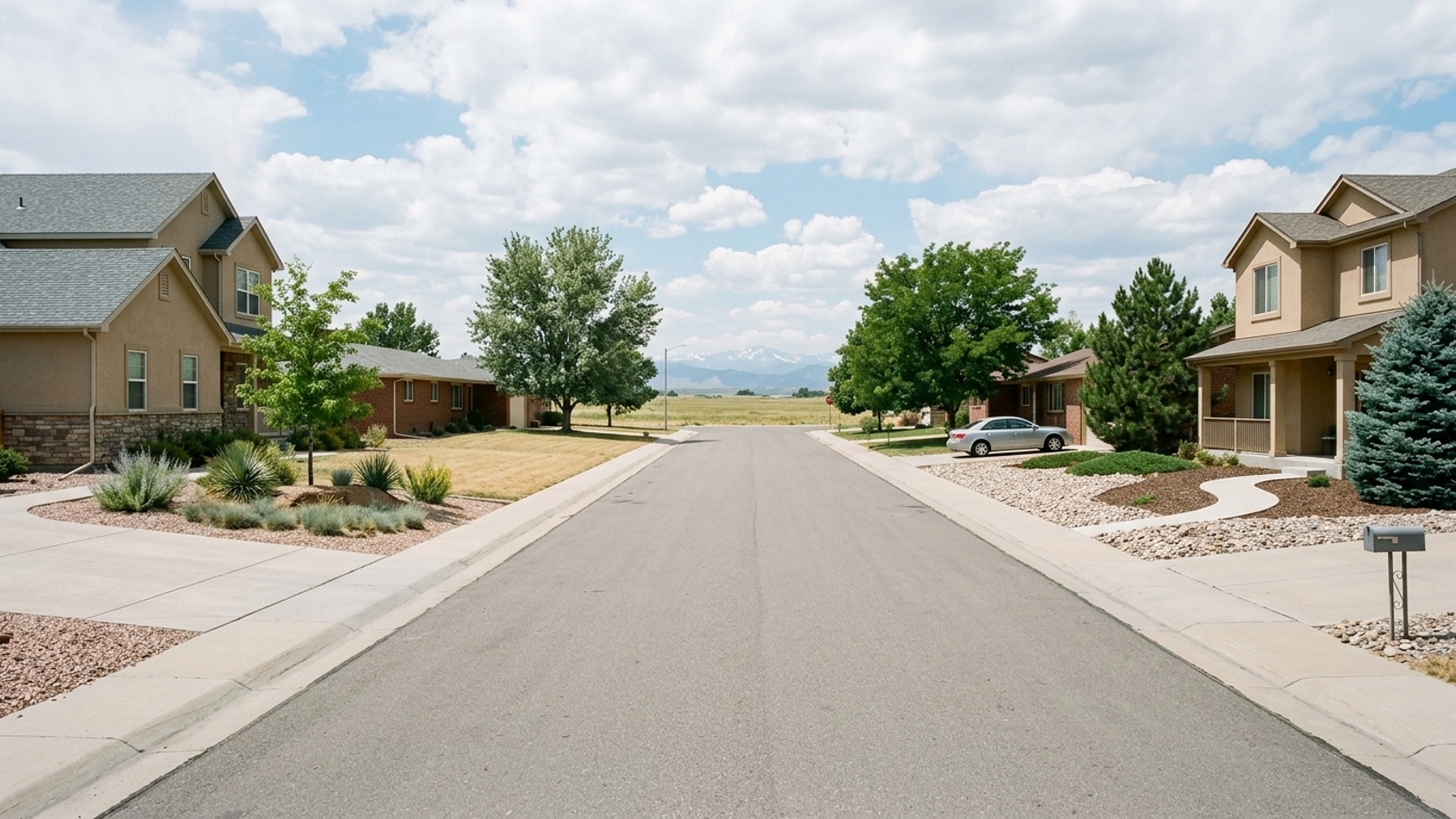
Greeley, CO sits at an elevation of 4,676 feet along the Front Range, and the weather here shapes daily life in ways that buyers moving from out of state don't always anticipate. When evaluating the pros and cons of living in Greeley, CO, the local climate is a major factor. Before you commit to a property, it's worth knowing what the skies are going to throw at you.
The area runs through four distinct seasons - dry air, plenty of sun, and occasional severe storms included. Getting familiar with the monthly averages and seasonal shifts before you move makes the transition a lot smoother.
Greeley, CO Climate and Weather at a Glance
Greeley falls under the BSk climate zone, officially classified as a Cold Semi-Arid or mid-latitude steppe climate. That label matters because it tells you two things: you'll get a lot of sunshine, and you won't get much rain. Compared to coastal or southern states, the precipitation totals here are modest.
At nearly a mile above sea level, the elevation drives some noticeable temperature swings. The sun goes down, and the air cools fast - even in July. That dry, high-altitude environment influences everything from how locals landscape their yards to how homes are insulated.
Season by Season in Northern Colorado
Weld County runs the full range - hot, dry summer afternoons and genuinely cold winter mornings, with spring and fall that can flip conditions on you in the space of a week. It's not subtle.
Winterizing sprinkler systems and checking roof shingles before storm season aren't optional extras here. They're just part of owning a home.
Spring and Summer
March starts the climb, with average highs around 55°F, rising to somewhere between 69°F and 75°F by May. Summer - June through August - is when the Front Range earns its heat. Highs run from 85.8°F to 91.7°F, though the overnight lows stay reasonable, dropping to between 53.6°F and 59.4°F. You'll sleep fine.
Fall and Winter
Fall opens warm and then cools fast. By November, highs are running between 53°F and 68°F. December through February is full winter: average highs of 40°F to 48°F, and overnight lows that typically settle in the 12°F to 20°F range. Dress accordingly.
Monthly Temperature Averages
The National Oceanic and Atmospheric Administration (NOAA) tracks normal temperatures for this region using historical data, and the numbers trace a clear arc from freezing winter lows to hot summer peaks. If you're planning home tours in July, dress for heat. If you're coming in January, bring a real coat - not a city coat.
The temperature range also tells you something practical about the home you're buying: it needs HVAC that can handle both ends of that curve.
Hottest and Coldest Months
July is the hottest month, with an average high around 91.7°F. January is the coldest, with an average low of about 17.5°F - though December is right behind it at 17.8°F.
Monthly Highs and Lows
January and February stay chilly, with average highs of 44.1°F and 47.7°F respectively. Spring warms up steadily from there: 59.1°F in March, 66.0°F in April, 74.7°F in May. Then summer arrives quickly - 85.8°F in June, 91.7°F in July, 89.2°F in August.
The back half of the year reverses the climb. September averages a high of 81.9°F, October pulls back to 67.8°F, November drops to 53.6°F, and December closes out at 43.4°F. It's a clean seasonal curve, and once you've lived through it once, you'll know exactly how to plan around it.
Rain, Snow, and Humidity Levels
Greeley's moisture picture looks nothing like the national average. The semi-arid classification means less rain, lower humidity, and a drier feel for most of the year. That said, winter storms do arrive and deliver real snowpack.
Annual precipitation runs roughly 14.7 to 15.3 inches - considerably less than the U.S. average of about 38 inches. It's one of the reasons drought-tolerant landscaping is so common here. It's not just an aesthetic choice; it's a practical one.
Annual Snowfall
Greeley averages about 34.9 to 41 inches of snow per year, which is above the national average of 28 inches. Don't let the dry climate fool you into skipping snow removal equipment. And when spring arrives, make sure your driveway has proper drainage for the melt.
Humidity Trends
Humidity stays relatively low across the calendar, peaking in the colder months. January and December can see levels up to about 64%. By summer, the air dries out noticeably - August humidity runs around 44% to 53%. If you're coming from somewhere muggy, the summer here will feel like a different planet.
Severe Weather and Natural Hazards
Front Range weather isn't just sunshine and dry air. The collision between mountain air and plains moisture generates serious storm systems, and Greeley gets its share of them.
Spring and summer thunderstorms here can bring very large hail - the area has recorded thousands of hail events since 2015, with some hailstones measuring up to 4 inches in diameter. Tornadoes also occur occasionally, which is why basements and storm shelters aren't just nice features in local homes - they're genuinely useful ones. Review your homeowner's insurance before you close, and make sure wind and storm damage coverage is adequate.
Wildfires and high winds add another layer. The region periodically issues Red Flag warnings when strong chinook winds combine with low humidity, conditions where fires can spread fast. It's not something most buyers from out of state think to ask about, but it's worth knowing.
Moving to Greeley: Housing Market and Timing
The climate here shapes the pace of the market too. Spring and early summer pull out the most buyers, and winter tends to be quieter in terms of active listings. But homes move year-round in Weld County - there's no dead season.
The median sale price in Greeley, CO is currently approximately $425,000, with homes spending roughly 55 days on the market before selling. About four months of supply and around 457 active listings recently means buyers have real room to negotiate, whatever time of year you're shopping.
One comparison worth making: Greeley shares its cold semi-arid climate classification with nearby cities like Colorado Springs, Aurora, Centennial, and Longmont. Denver is classified differently - as a hot humid continental climate - which means it retains slightly more moisture than Greeley, even though the day-to-day weather across the broader Front Range can feel similar.
Frequently Asked Questions
What is the weather like in Greeley, Colorado year round?
Greeley runs four distinct seasons with dry air and consistent sunshine. Summer highs reach the low 90s, winter lows drop into the teens, and the semi-arid climate keeps annual rainfall low throughout the year.
Does it snow in Greeley, Colorado, and how much?
Yes, and more than some people expect. The city averages between 34.9 and 41 inches of snow per year - notably higher than the national average of 28 inches.
Is it humid in Greeley, Colorado?
Generally, no. Humidity peaks around 64% in January and December. During the summer months it drops to between 44% and 53%.
Are there tornadoes or severe weather in Greeley, Colorado?
Yes. Spring and summer thunderstorms regularly bring large hail, and tornadoes do occur in the area. Red Flag warnings for wildfire risk are also issued during periods of high wind and low humidity.
When is the best time of year to move to Greeley based on the weather?
Spring and fall are the most comfortable windows. May averages highs around 74.7°F, and September averages highs near 81.9°F. Either month lets you avoid January's cold and July's peak heat.
How do Greeley's weather patterns impact home maintenance and utility costs?
Wide temperature swings mean you need heating and cooling systems that can handle both extremes. Frequent hail requires regular roof inspections. The dry climate also pushes most homeowners toward drought-resistant landscaping to keep water bills manageable.
How does the climate in Greeley compare to Denver and the Colorado foothills?
Greeley shares the cold semi-arid classification with many Front Range cities, including Longmont and Colorado Springs. Denver is classified as a hot humid continental climate, which means it retains slightly more moisture - even when the day-to-day weather across the two cities feels similar.