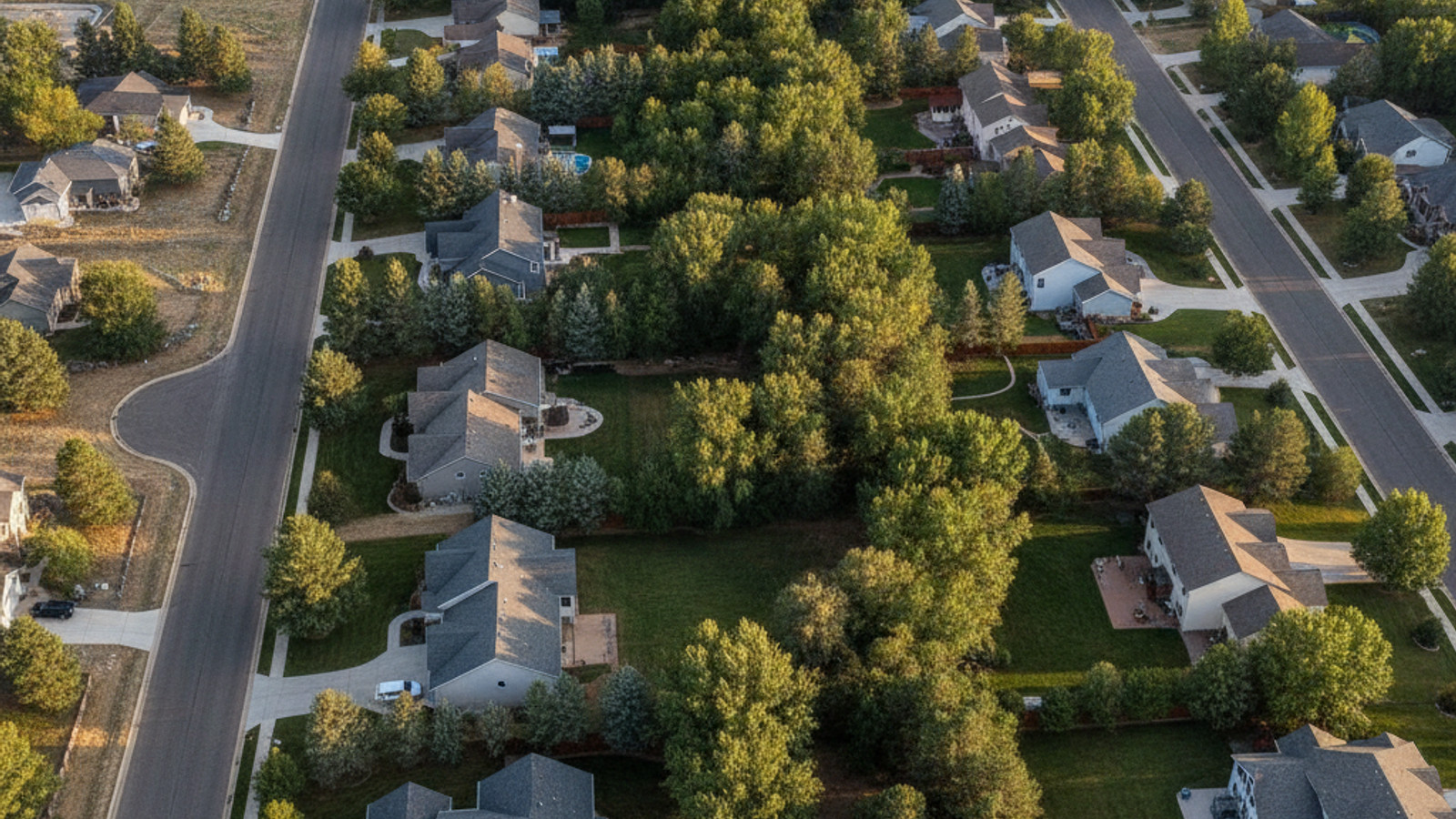
Greeley sits about 49 miles north-northeast of Denver and 30 miles southeast of Fort Collins, anchoring Weld County. The city has grown steadily, reaching an estimated population of over 116,000 this year as more people consider buying a home in Greeley, CO.
If you're trying to decide whether to move here, the core question is pretty simple: do the lower housing costs justify the longer drive to major metro centers? Buyers looking at Northern Colorado land on Greeley for the affordability, but this city has its own distinct tradeoffs worth understanding before you make an offer.
The Quick Verdict on Living in Greeley
Greeley's biggest selling point is its lower cost of entry relative to the rest of Northern Colorado. Buyers coming from denser, pricier markets often find they can purchase more square footage on a more substantial lot without blowing their budget.
That said, you'll also deal with some regional quirks that don't show up on the MLS listing - agricultural industry impacts, a real commute if you work in Denver, and amenities that don't quite match what you'd find in larger neighboring metros. Here's a straight look at both sides.
The Main Pros
Affordability leads the list. You'll generally get more house and more land here than you would in Boulder or Denver at the same price. The city also maintains a strong agricultural and industrial job base, which provides local employment outside of tech and corporate sectors - useful if you're not planning to commute.
The location works well for regional access too. Fort Collins and Loveland are both under an hour away, so the rest of Northern Colorado stays reasonably within reach.
The Main Cons
The Denver commute is the one that trips people up. That 49-mile drive down US-85 or I-25 can easily exceed an hour in peak traffic, which adds up fast over a five-day work week.
The local economy's close ties to agriculture and energy also mean occasional odors from nearby farms and processing plants - not every day, but enough that it's worth knowing about before you move in. And if you're used to the retail and entertainment density of a larger metro, Greeley will feel quieter.
Location, Size, and Weld County Ties
Greeley is the county seat of Weld County - a massive region built on agricultural output and energy production - and it functions as the principal center of its own Metropolitan Statistical Area.
Per recent Census estimates, the city houses around 116,451 residents, and that number has climbed significantly over the past decade. The demographic profile skews young: the median age sits at 32.5 years, with the local university and a growing job market pulling in younger professionals and students.
Housing Costs and Everyday Expenses
Housing is the primary draw for buyers moving to Weld County, and the numbers bear that out. As of mid-2026, the median home sale price in Greeley sits around $427,700, according to recent MLS data - a real discount compared to the broader Denver metro.
Homes are averaging 54 days on market, which gives you a reasonable window to view properties and make decisions without feeling rushed. The average sale-to-list ratio is hovering just under 100%, so sellers are still doing well, but buyers aren't getting steamrolled either. Heading into late summer, inventory sits at around 432 available homes.
Income and Rent Figures
If you're planning to rent before buying, median monthly rent runs around $1,333 based on recent American Community Survey estimates. The city's homeownership rate holds steady at roughly 60.6%.
On the income side, the median household income for Greeley is approximately $69,881, though broader metro area estimates push closer to $76,000.
Crime Statistics and Researching Local Data
The most recent FBI Uniform Crime Report data for 2024 shows Greeley with a violent crime rate of about 671 per 100,000 residents and a property crime rate of 3,020 per 100,000 residents. Both figures sit above national averages, which is worth knowing.
What's also worth knowing: the Greeley Police Department reported a 27% drop in violent crime in 2025 compared to the previous year. Crime rates fluctuate by neighborhood and property type across the city, and as your agent, I can't steer you toward or away from specific areas based on safety - Fair Housing law doesn't allow it. You'll need to review the data yourself and make your own call.
Where to Find Official Reports
The Greeley Police Department maintains an official Crime Maps page and a Police Transparency Dashboard on the city website, where you can pull up recent incidents, response times, and block-level data. For county-wide figures, the Weld County Sheriff's Office publishes additional reports. Third-party tools like SpotCrime also aggregate local dispatch data if you want an easy neighborhood-level search.
Climate, Amenities, and Local Utilities
Greeley runs through four distinct seasons - hot, dry summers and cold winters with moderate snowfall. Outdoor recreation is genuinely year-round here, as long as you dress for the swings, and they can be significant.
The city maintains parks, recreation centers, and local trail systems, and the downtown district has a mix of local breweries, restaurants, and civic events. On utilities, water quality comes up often from newcomers: Greeley's tap water meets all state and federal safety standards and is drawn primarily from high-mountain snowmelt and local reservoirs.
Everyday Conveniences
Daily shopping and healthcare are easy enough within the city limits - multiple grocery chains, big-box retailers, local medical clinics. It's not Denver, and it doesn't try to be. For specialized shopping or a major concert, most residents drive to Fort Collins or Denver.
Comparing Greeley to Nearby Cities
Fort Collins is 30 miles to the northwest, and it comes up constantly as a comparison point. The two cities feel pretty different to live in. Fort Collins carries higher housing costs, a larger university presence, and a denser downtown commercial district. Buyers who get priced out of Larimer County frequently look to Greeley to stretch their budget.
Denver is the other common comparison - massive job market, full urban amenities, and a median home price that makes Weld County look like a bargain. For buyers willing to take on the commute, Greeley is a practical alternative.
Making the Choice
It really does come down to budget and how many hours a day you're willing to spend in a car. If you're commuting to central Denver five days a week, you're looking at over two hours of daily driving. Remote workers and people employed in Northern Colorado tend to find Greeley's price-per-square-foot hard to argue with. Before you make an offer, drive your actual commute during rush hour - not on a Saturday morning.
Specialized Housing Options in the City
Buyers looking for senior living in Greeley, CO will find multiple 55-plus communities and independent living complexes across the city. The local market includes several specialized property types for different life stages, and the city zones specific areas for multi-family and care facilities to keep them accessible to major medical centers. New developments continue to open on the city's western edge, though availability fluctuates.
Senior and Assisted Living
Assisted living facilities are distributed throughout the city, ranging from large corporate-run centers to smaller residential-style care homes, with various levels of medical support and daily care available.
Sober Living Environments
The area also supports several sober living environments - structured, transitional housing for individuals in recovery, integrated into the broader community.
Frequently Asked Questions
Is the cost of living in Greeley, CO lower than the rest of Northern Colorado?
Yes. The median home sale price in Greeley is around $427,700, which is noticeably lower than neighboring markets like Fort Collins and Boulder. Rent is also comparatively affordable, with a median monthly cost of roughly $1,333.
Does Greeley smell bad, and what causes it?
Occasionally, yes. The city is surrounded by Weld County's agricultural industry, including cattle feedlots and meatpacking plants. When the wind blows from certain directions, these facilities can produce noticeable odors in town.
How long is the typical commute from Greeley to Denver or Fort Collins?
Driving to Denver takes about an hour under ideal conditions, as the city is 49 miles to the north-northeast. The trip to Fort Collins is shorter, covering about 30 miles and typically taking 40 to 45 minutes.
Should I buy a home in Greeley or Fort Collins?
It depends on your budget and commute. Greeley offers lower median home prices and larger lots, while Fort Collins provides a shorter commute to certain tech hubs and a denser downtown retail district.
What are the most popular neighborhoods to buy a house in Greeley right now?
Real estate agents cannot rank neighborhoods by popularity or desirability. You should review available MLS listings alongside the Greeley Police Department's Crime Maps to find an area that fits your specific budget and needs.
Is Greeley, CO considered a safe place to raise a family?
Safety is a subjective measure, and Fair Housing laws prevent agents from labeling areas as safe or unsafe. For context, Greeley's 2024 violent crime rate was 671 per 100,000 residents, though the police department reported a 27% decrease in violent crime in 2025.